
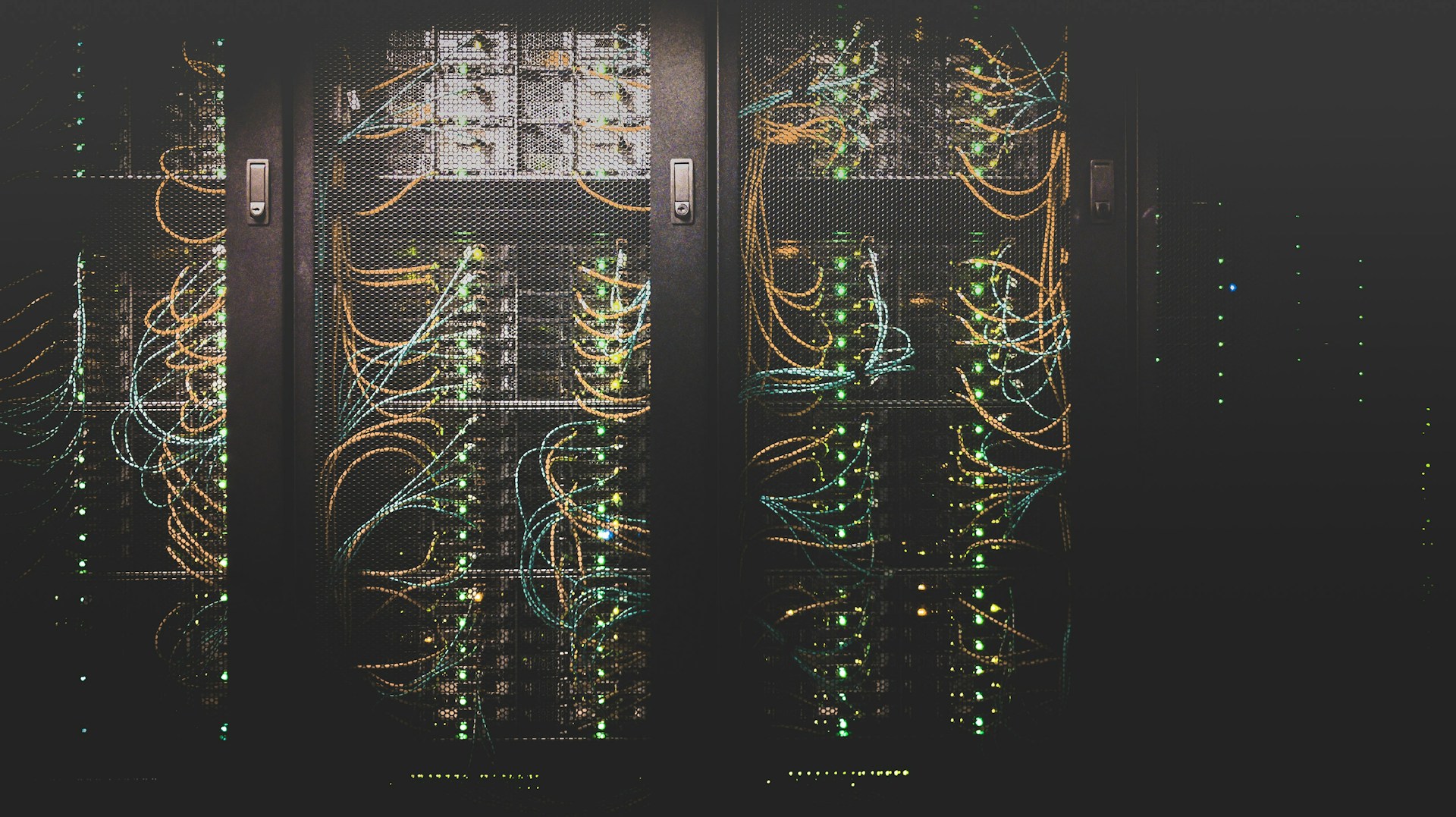
In enterprise IT, data center operations represent the core of digital infrastructure, enabling companies to handle, store, and use vast amounts of information. Traditionally, managing these data hubs has depended on resource-heavy processes and human oversight. However, a revolution is underway in our data storage facilities — the integration of artificial intelligence (AI) is transforming operations, offering more efficient, secure, and responsive data center management.
In 2024, worldwide spending on data center systems is experiencing 10% growth, significantly influenced by the anticipated implementation of generative AI technologies, Networkworld reports. This growth is underpinned by a cycle of story, plan, and execution surrounding generative AI technologies.
John-David Lovelock, distinguished vice president analyst at Gartner, emphasized the rapid pace at which this cycle is turning in the Networkworld article about AI in data center systems: “In 2023, enterprises were telling the story of GenAI, and in 2024 we are seeing most of them planning for eventual execution in 2025.”
Enterprise IT professionals and data center managers must prepare to learn and adapt. In this article, we explore the intricate meshing of AI technology with the critical task of data center management, and uncover how this integration is shaping not just IT infrastructure, but modern business as a whole.
01The Rise of AI in Data Center Management
Starting with a wave of data center consolidation in the early 2000s, IT infrastructure has evolved immensely. The rise of virtualization and cloud computing is pushing forward AI implementation at scale — as the volume and complexity of data increases, it becomes more difficult for humans to monitor and manage it all.
“AI” is often used to describe more common forms of automation such as machine learning (ML) and deep learning (DL), but emerging iterations of AI technologies go beyond recognizing and learning from patterns and data. For example, generative AI applications can generate new content such as images, text, video or audio, based on parameters set by an operator. AI has several potential applications when integrated into data center management as a result.
02Benefits of AI Integration
The benefits that AI can bring to the data center are vast and multifaceted. They not only enhance the ‘here and now’ of data center performance but also lay the groundwork for a robust, future-ready IT environment. For example:
- Efficiency: Data centers need a lot of cooling, energy, and space to work effectively. AI allows operators to improve hardware use by forecasting performance needs and reallocating resources proactively; increasingly, AI will make these decisions autonomously as well. By 2025, half of cloud data centers will deploy advanced robots with artificial intelligence (AI) and machine learning (ML) capabilities, resulting in 30% higher operating efficiency, Gartner reports.
- Scalability: The growth of cloud computing and virtualization is putting data centers under pressure to support growing workloads. AI can automate resource allocation for these demands, enabling seamless scalability without manual intervention.
- Security: Organizations storing and processing vast amounts of sensitive data must prioritize security. AI helps by providing real-time monitoring and threat detection, quickly identifying and mitigating potential breaches.
- Performance optimization: AI algorithms enhance data center performance by constantly analyzing and learning. They predict traffic and workloads to maintain optimal performance, reduce latency, and improve user experience.
- Predictive maintenance: Modern data centers are so complex that manual maintenance is time-consuming and prone to errors. AI can analyze vast operational data to predict equipment failures, enabling proactive maintenance and reducing downtime.
- Energy efficiency: Green IT is crucial for data center managers. AI enhances energy management, reducing power consumption through optimizing cooling systems, adjusting workloads, and predicting energy trends.
Thus, the integration of AI into data center management heralds a new era in enterprise IT, promising unparalleled efficiency, security, and innovation across the board.
03Challenges and the Future of AI in Data Center Management
While the integration of AI into data center management is on an upward trajectory, several challenges remain. The sheer complexity and scale of modern data centers represent a significant barrier to widespread adoption. Legacy systems may not be compatible with AI, and integration may require significant investment. Additionally, concerns over data privacy and security when using AI must also be addressed.
Enterprises looking to incorporate AI into their data center operations must be mindful of these challenges, including:
- Data Privacy and security: The very technology that serves to protect data can also put it at risk. Ensuring that AI systems are not only secure but also respect the privacy requirements of sensitive data is critical.
- Skills gaps: AI is cutting-edge technology, and as such, finding and retaining top talent to develop and manage AI systems can be challenging. Enterprises must invest in their IT workforce, providing training and development opportunities for AI expertise.
- Integration complexity: Implementing AI is not a plug-and-play process; it requires deep integration into your existing data center ecosystem. This can be a daunting task, especially for older, legacy systems.
- Regulatory compliance: As AI use grows in data centers, meeting regulatory compliance is crucial. Data centers need to ensure AI complies with data protection, use, and storage laws, including GDPR in Europe and other global requirements. With constantly changing regulations, data centers must regularly update their AI applications to stay compliant.
- Cost of implementation: Integrating AI into data center management carries high initial costs, deterring some organizations. These costs include the technology and infrastructure changes needed for AI. Additionally, “The soaring popularity of AI tools, like ChatGPT, and cryptocurrencies are projected to increase the energy consumption of data centers,” TechTarget reports. Smaller companies or those with limited IT budgets may find it hard to justify the initial investment, despite AI’s potential for long-term savings and efficiency.
Overcoming these challenges is crucial for organizations aiming to leverage AI’s full potential in data center management. This ensures technological progress and secures operational and competitive superiority.
04Future Trends and Predictions
Despite these challenges, the potential ROI outweighs the apparent risks; the future of AI in data center management looks promising as a result. Its combination with other emerging technologies is expected to greatly enhance efficiency, capability, and innovation. For example:
- AI and edge computing: As edge computing continues to take hold, AI will play an integral role in managing data centers’ diverse distributed infrastructure. AI can analyze vast amounts of data from various sources, making decisions quickly on the fly to ensure optimal performance and availability.
- Hybrid Cloud Management: With enterprises increasingly adopting hybrid cloud environments, there is a growing need for intelligent solutions that can manage workloads across both public and private clouds. AI will play a pivotal role in managing these hybrid environments, optimizing workloads, and reducing costs.
- AI-driven cybersecurity: As cyber threats evolve, so must data center security measures. AI’s ability to analyze vast amounts of data in real-time will enable it to predict and prevent cyberattacks, minimizing risk and securing sensitive data.
- AI and IoT: As the Internet of Things (IoT) continues to grow, accompanied by an explosion of data generated by connected devices, AI will be critical in managing this data deluge. By analyzing data from IoT sensors in real time, AI can optimize systems for optimal performance while also reducing energy consumption.
Integrating AI into data center management will continue to tackle current challenges and set the stage for future advancements, ensuring data centers remain vital to the digital world by enhancing efficiency, security, and innovation.
05Conclusion
The integration of AI into data center management is an exciting transformation — albeit complex. It promises to redefine the very nature of enterprise data handling, security, and responsive operations. For organizations looking to stay ahead in the digital race, the message is clear: now is the time to explore AI in data centers.
06Partnering with Semifly for Managed Data Center Operations
Ready to navigate the AI-powered future of data center management? At Semifly, we’re committed to unlocking AI’s potential and guiding enterprises through AI integration with practical strategies and innovative solutions. Contact us to begin your AI integration transformation today, and unlock the full potential of your enterprise’s data center operations.
← Back to Insights