• FEATURED STORY OF THE WEEK

      H200 for AI Inference: Why System Administrators Should Bet on the H200

      Written by :  
      semifly
      Team Semifly
      8 minute read
      July 14, 2025
      Category : Information Technology
      H200 for AI Inference: Why System Administrators Should Bet on the H200

      H200 for AI Inference: Why System Administrators Should Bet on the H200


      Today’s businesses run on AI. From chatbots answering customer questions to systems analyzing medical scans, the demand for fast, scalable AI inference is exploding. Services like LLM-as-a-Service (LLMaaS), generative AI chatbots, and vision pipelines need to handle thousands of requests at once. But for system administrators, scaling these workloads is a struggle.


      Concurrency limits, memory bottlenecks, and soaring operational costs are real pain points. When too many users access an AI service at the same time, GPUs run out of memory or bandwidth. This forces compromises—like breaking models apart or shrinking batch sizes—which slow down responses and frustrate users. For sysadmins, this means complex workarounds, higher server costs, and missed performance targets.


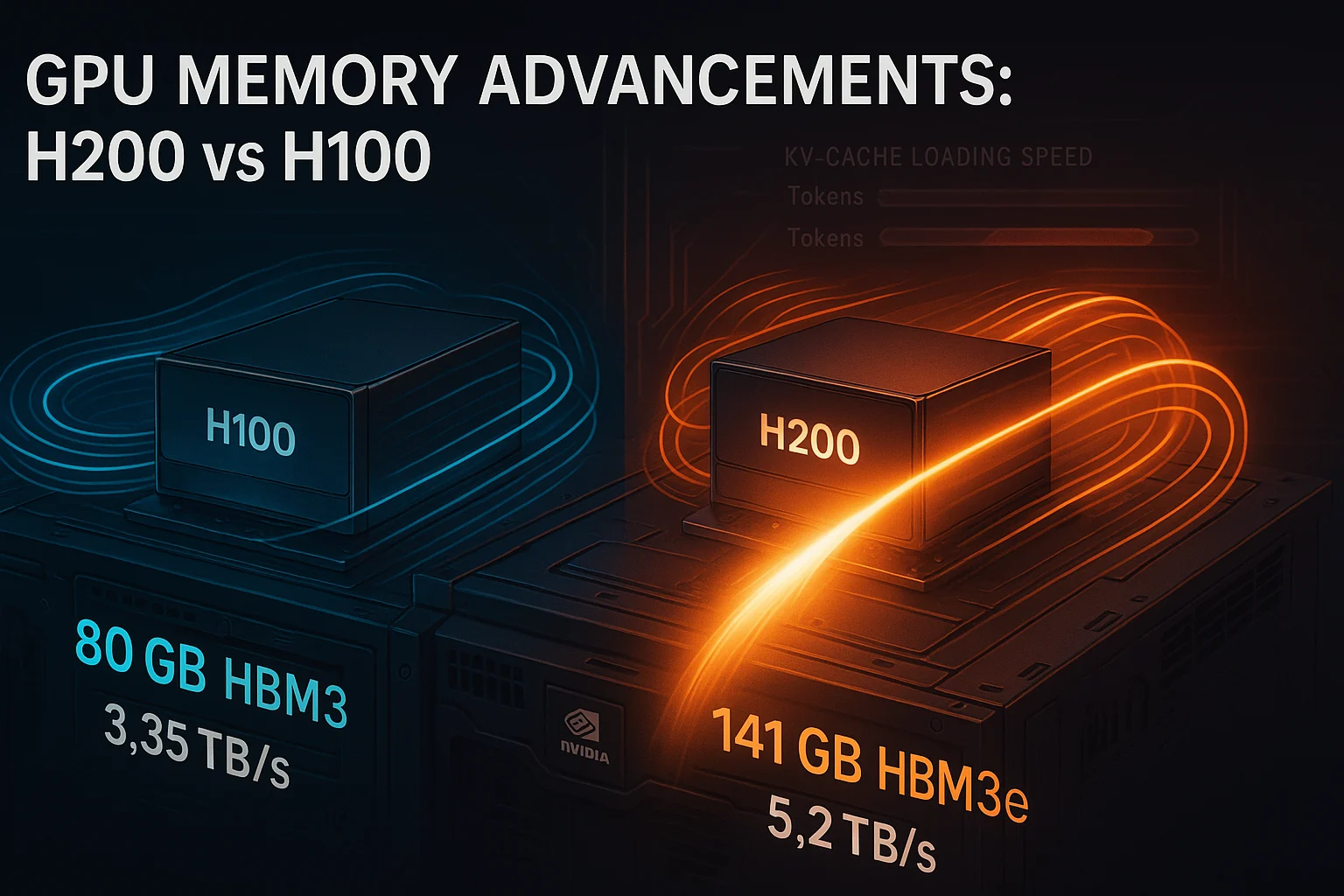
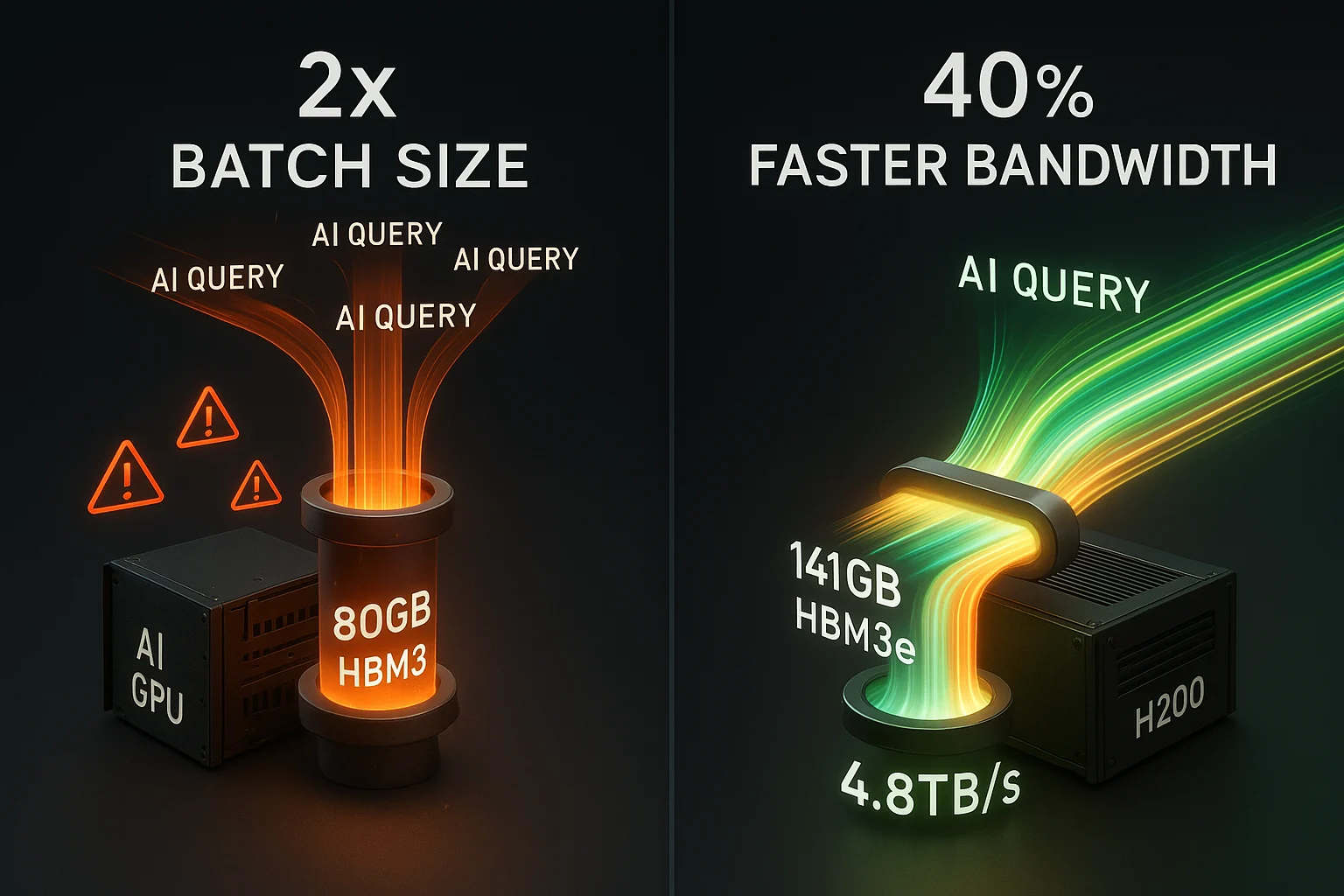
      Enter NVIDIA’s H200 GPU. Unlike general-purpose hardware, the H200 is engineered specifically for high-stakes inference workloads. With 141GB of cutting-edge HBM3e memory (a super-fast type of memory crucial for AI tasks) and 4.8TB/s of memory bandwidth (how quickly data moves), it tackles the root causes of slowdowns.


      This blog explains why the H200 for AI Inference isn’t just an upgrade—it’s a tactical solution for sysadmins. We’ll show how its unmatched memory and bandwidth directly translate to better batch processing, lower latency, and reduced costs in real-world deployments.
       

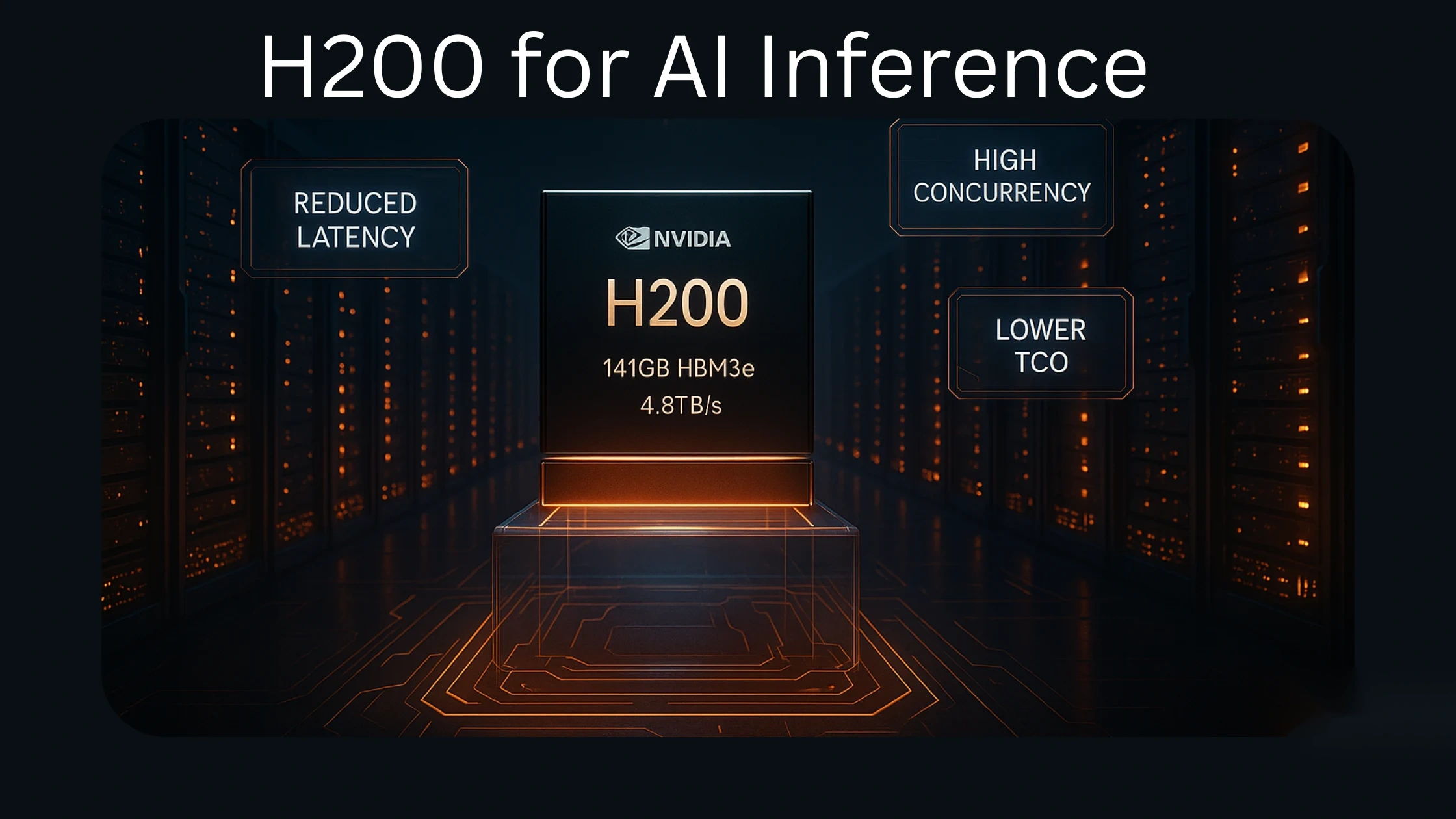
      Visual representation of NVIDIA H200 GPU in a next-gen AI server room, highlighting memory and bandwidth upgrades for sysadmins.

      1. Why Are Current GPUs Struggling with High-Concurrency AI Inference?


      System administrators face growing pressure as AI services expand. When multiple users access chatbots or vision systems simultaneously, underlying hardware limitations surface. These bottlenecks create real operational headaches that impact performance and budgets.


      The Concurrency Challenge
      Handling many requests at once stresses GPU memory bandwidth. This is the speed at which data moves between memory and processors. When too many users query an AI service together, bandwidth gets overloaded. The result is delayed responses and lag. For example, popular chatbots might disconnect users during peak hours. Multi-tenant APIs often time out when overloaded.


      Memory Limitations
      Many current GPUs lack enough memory for large AI models. Memory stores temporary data needed for computations. Smaller memory forces sysadmins to split models across devices or use tiny batch sizes. Both approaches add complexity. Consider large language models like Llama 2 70B. They need over 140GB of memory for efficient operation. NVIDIA’s previous H100 GPU offers only 80GB, making compromises unavoidable.


      Cost of Compromises
      Workarounds for these limitations drive up expenses. Horizontal scaling, which means adding more servers, is a common fix. But this multiplies hardware costs and power consumption. Cooling and physical space requirements increase, too. Energy bills can jump by 40% or more in scaled deployments. These hidden costs quickly erode the value of AI services.


      2. How Does the H200 Solve Memory and Bandwidth Bottlenecks?


      The H200 directly attacks the two biggest hurdles in high-demand AI inference: limited memory and slow data movement. Its upgrades translate into real operational improvements for system administrators managing live services.


      141GB HBM3e Memory: The Game Changer
      HBM3e is a new type of ultra-fast memory stacked close to the GPU processor. With 141GB, the H200 can hold entire massive AI models like Llama 2 70B or Mixtral. This eliminates “model partitioning,” where admins must split a model across multiple GPUs. It also removes “microbatching,” a process that forces tiny, inefficient workloads. Instead, the H200 handles large, continuous batches smoothly.


      4.8TB/s Bandwidth: Accelerating Data Hunger
      Bandwidth is how much data the GPU can read or write per second. The H200’s 4.8 terabytes per second speed is 40% faster than the H100’s 3.35TB/s. This is crucial for processing user prompts quickly and generating AI responses (tokens) without delay. More bandwidth means the GPU scales efficiently as user requests increase. Concurrency stops being a bottleneck.


      Real-World Advantage
      NVIDIA’s own benchmarks prove the impact. Upgrading from H100 to H200 for Stable Diffusion XL image generation doubled the batch size. This means processing twice as many images simultaneously per GPU. For sysadmins, the H200 for AI Inference means serving more users faster per server. It turns raw specs into tangible performance gains.


      Table: H200 vs. H100 for Memory-Intensive Workloads


      Feature H200 Advantage Impact on Llama2 70B
      HBM3e Bandwidth 4.8 TB/s (40% > H100) 2.3x faster weight loading
      Memory Capacity 141GB vs 80GB (H100) Full model + large batches in VRAM
      FP8 Support 2x faster matrix math Double tokens/sec with optimization
      L2 Cache 50MB (vs 40MB on H100) Faster attention computations


      3. What Operational Benefits Does the H200 Offer to Sysadmins?


      The H200 isn’t just faster hardware—it solves day-to-day operational struggles. For sysadmins managing live AI services, its design translates to easier deployments, lower costs, and happier users.
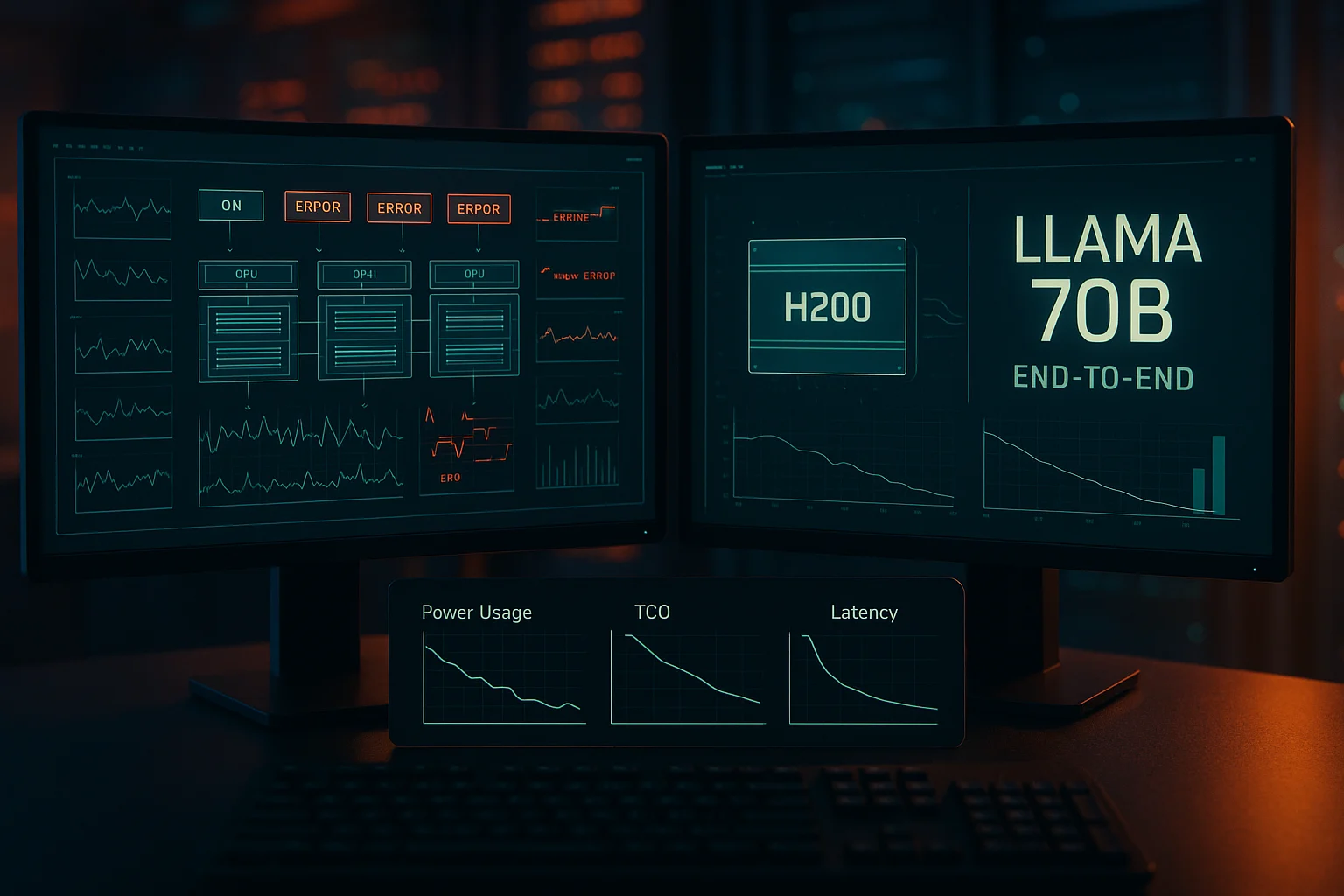
       

      System administrator dashboard comparing complex H100 setup vs. streamlined H200 deployment for large AI models.


      Reducing Latency at Scale
      High-traffic AI APIs often suffer from “p99 latency” spikes—the slowest 1% of user requests. The H200’s massive 4.8TB/s bandwidth crushes data queues. This keeps response times consistent even during traffic surges. Real-time services like payment fraud detection or emergency chatbots stay reliable under load.


      Cost Efficiency
      One H200 replaces 2–3 H100 GPUs for large language model (LLM) serving, slashing hardware costs. Its 50% better performance-per-watt (proven in MLPerf tests) reduces energy bills. Fewer servers also mean lower cooling and rack space expenses. The H200 for AI Inference cuts total ownership costs while boosting capacity.


      Simplified Infrastructure
      The H200’s huge memory avoids “tensor parallelism”—splitting models across multiple GPUs. Sysadmins deploy entire models on one GPU, simplifying setup and monitoring. Despite its power, the H200 uses the same 700W TDP as the H100. Cooling and power systems need no redesign, speeding upgrades.


      Table: H200 Operational Advantages for Sysadmins


      Operational Goal H200 Solution Sysadmin Benefit
      High Concurrency Larger batches + faster bandwidth Serve 2× more users per GPU; meet SLAs
      Cost Reduction Fewer nodes, higher utilization Lower cost per query; 30–50% TCO savings
      Deployment Simplicity Single-GPU model hosting Eliminate multi-GPU complexity


      4. Where Does the H200 Outperform Competing AI Hardware?


      Choosing the right AI hardware is critical for balancing performance and cost. Let’s compare the H200 against popular alternatives in real-world inference scenarios.


      Against NVIDIA’s Own H100
      The H200 shares the same 700W power limit as the H100 but delivers game-changing upgrades: 2 times more memory (141GB vs. 80GB) and 40% faster bandwidth (4.8TB/s vs. 3.35TB/s). This lets it run massive AI models that often choke the H100. Choosing H200 for AI inference means fewer servers and lower latency per dollar.


      Against Google’s Cloud TPUs
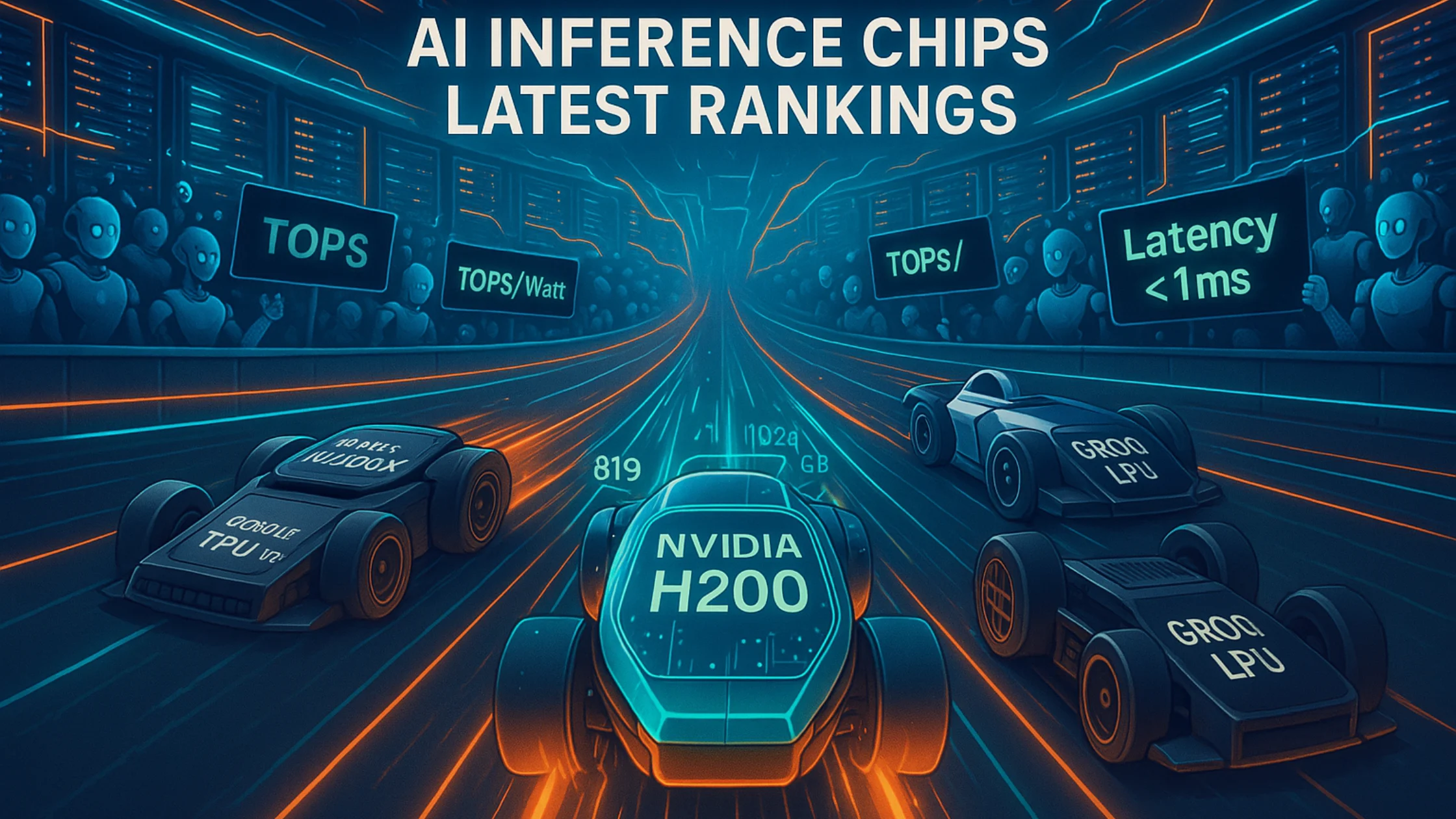
      Google’s TPUs excel at large-scale training but lack flexibility. The H200 handles mixed workloads like vision and NLP simultaneously without reconfiguration. TPUs require custom software and struggle with smaller batch sizes. For sysadmins managing diverse AI services, the H200 simplifies operations.


      Against AMD’s MI300X
      AMD’s MI300X offers competitive memory (192GB), but NVIDIA’s CUDA ecosystem is a key advantage. Most AI tools (like TensorRT-LLM) are optimized for CUDA, minimizing integration work. Migrating to AMD often requires costly code changes. The H200 offers plug-and-play compatibility for existing NVIDIA stacks.


      Key Takeaway
      The H200 is purpose-built for memory-bound inference, not training. Its massive bandwidth and capacity target real-time AI services. For workloads like LLM APIs or medical imaging pipelines, it outperforms other similar AI hardware.


      5. How Can Sysadmins Plan a Strategic H200 Deployment?


      Deploying H200 GPUs effectively requires matching them to the right workloads and infrastructure. A targeted approach maximizes their value while avoiding wasted resources.
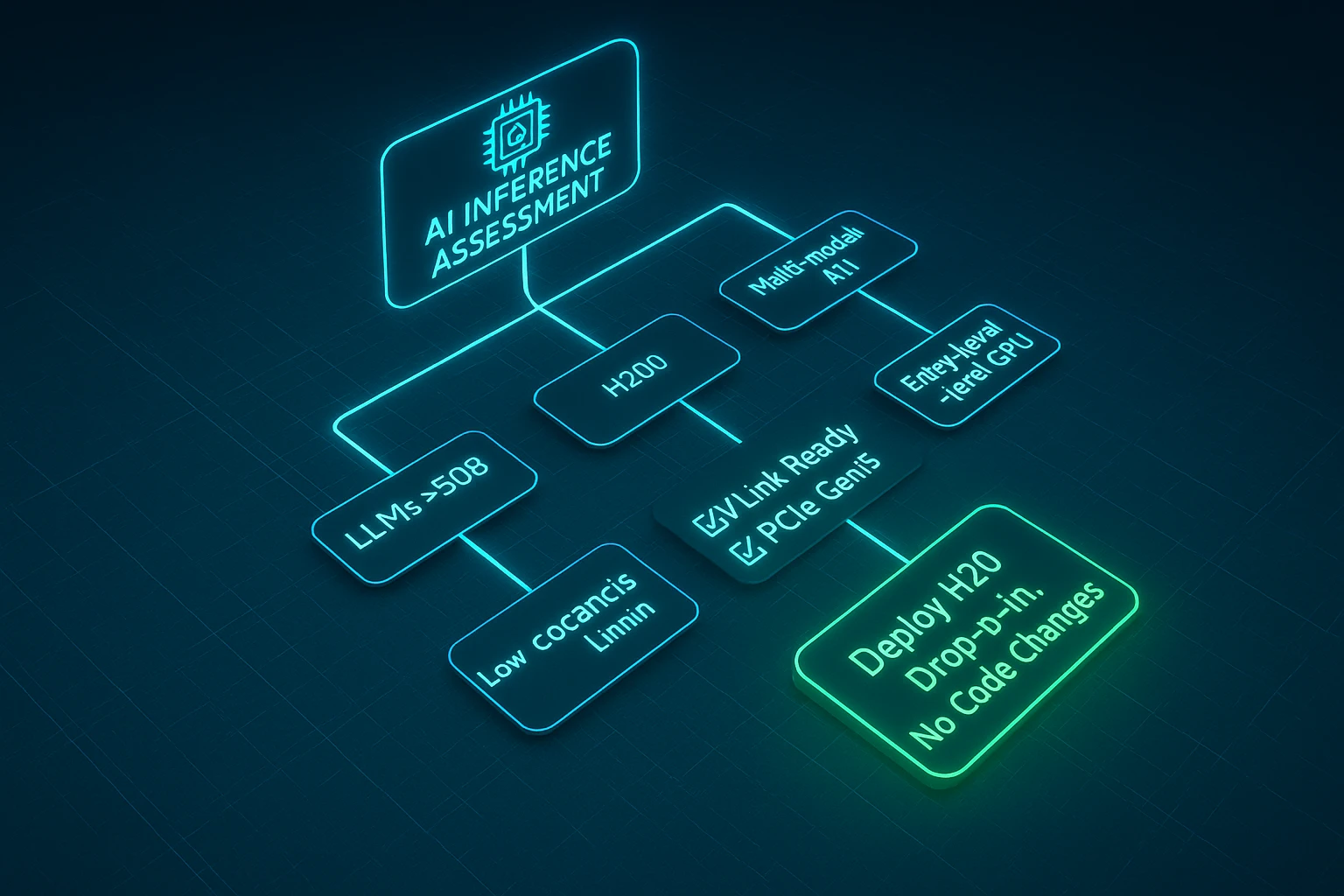
       

      Visual flowchart guiding sysadmins through strategic deployment of H200 GPUs for high-demand inference workloads.


      Workload Assessment
      Prioritize the H200 for demanding inference tasks. Ideal targets include:


      • LLM models larger than 50 billion parameters (like Llama 3 70B).
      • Multi-modal AI (combining text, images, or audio).
      • Services with unpredictable traffic spikes (e.g., customer support chatbots).


      Avoid using H200s for training or low-concurrency workloads—cheaper GPUs handle those efficiently.


      Infrastructure Checklist
      Verify these hardware requirements before installation:


      • NVLink Support: Lets GPUs share memory (critical for huge models).
      • PCIe Gen5 Hosts: Ensures full-speed data transfer from CPUs.
      • Liquid Cooling Compatibility: H200s use up to 700W power; efficient cooling prevents throttling.


      Skipping these checks can create bottlenecks.


      Migration Path
      For sysadmins using H100 systems, upgrading is straightforward. The H200 is a drop-in replacement for NVIDIA HGX server racks. No software changes or retraining are needed. Swap H100s with H200s, reboot, and instantly leverage higher memory/bandwidth. This minimizes downtime during upgrades.


      Conclusion


      The H200 transforms raw hardware power into real-world wins for system administrators. Its massive 141GB memory and blazing 4.8TB/s bandwidth directly tackle the toughest AI inference challenges. Forget fragmented models or costly server clusters—this GPU simplifies deployments while cutting costs.


      For sysadmins, the gains are clear:


      • Lower costs from fewer servers and reduced energy use.
      • Faster responses for users, even during traffic surges.
      • Simpler infrastructure by hosting big models on a single GPU.


      Start with a focused pilot. Deploy H200 clusters for high-value services like customer-facing chatbots or real-time analytics. Measure the improvements in latency, user capacity, and operational overhead. The results will speak for themselves.


      In the push for efficient AI, the H200 for AI Inference is a strategic advantage. It turns memory and bandwidth into reliability and savings. For admins building the future, this isn’t just an upgrade—it’s the edge you need.
       

      Bookmark me
      Share on
      Comments
      Add your Comment

      Writing About AI

      Semifly

      is an engineer and a technologist with a diverse background spanning software, hardware, aerospace, defense, and cybersecurity. As CTO at Semifly, he leverages his extensive experience to lead the company’s technological innovation and development.

      Explore Nvidia’s GPUs

      Find a perfect GPU for your company etc etc
      Go to Shop

      FAQs

      • System administrators encounter several significant challenges when scaling AI services. Primarily, they face memory bottlenecks and concurrency limits, which lead to slow responses and frustrated users. Current GPUs often lack sufficient memory for large AI models, forcing compromises like splitting models across multiple devices or using tiny, inefficient batch sizes. This also overloads memory bandwidth, the speed at which data moves between memory and processors, leading to delayed responses during peak usage. These workarounds increase infrastructure costs due to the need for more servers, higher power consumption (potentially 40% or more), and increased cooling and physical space requirements, ultimately eroding the value of AI services.

      • The NVIDIA H200 GPU directly tackles memory and bandwidth bottlenecks with its advanced specifications. It features 141GB of ultra-fast HBM3e memory, which is crucial for AI tasks. This allows the H200 to accommodate entire massive AI models, such as Llama 2 70B or Mixtral, on a single card, eliminating the need for complex “model partitioning” or inefficient “microbatching.” Additionally, its 4.8TB/s memory bandwidth is 40% faster than its predecessor (H100), ensuring data moves quickly between memory and processors. This higher bandwidth allows the GPU to process user prompts rapidly and generate AI responses without delay, enabling efficient scaling as user requests increase and preventing concurrency from becoming a bottleneck.

      • Deploying the H200 offers several key operational benefits for system administrators. Firstly, it significantly reduces latency, especially during traffic surges, by crushing data queues with its massive bandwidth, ensuring consistent response times for real-time services. Secondly, it delivers substantial cost efficiency; one H200 can replace 2-3 H100 GPUs for large language model serving, leading to lower hardware, energy, and cooling costs, thus reducing the total cost of ownership. Thirdly, it simplifies infrastructure by enabling single-GPU model hosting, eliminating the complexity of splitting models across multiple GPUs. Despite its power, the H200 maintains the same 700W TDP as the H100, meaning existing cooling and power systems do not require redesign, accelerating upgrades.

      • The H200 demonstrates superior performance for memory-bound AI inference compared to its competitors. Against NVIDIA’s own H100, the H200 offers twice the memory (141GB vs. 80GB) and 40% faster bandwidth (4.8TB/s vs. 3.35TB/s) while maintaining the same power limit, allowing it to run massive AI models more efficiently. Compared to Google’s Cloud TPUs, the H200 provides greater flexibility, handling mixed workloads without reconfiguration and benefiting from the widely optimised NVIDIA CUDA ecosystem. TPUs often require custom software and struggle with smaller batch sizes. Against AMD’s MI300X, despite the MI300X offering more memory (192GB), the H200 leverages the mature and widely adopted CUDA ecosystem, which minimises integration work and avoids costly code changes often required when migrating to AMD. The H200 is purpose-built for real-time, memory-bound inference, making it highly effective for LLM APIs and medical imaging pipelines.

      • The H200 is optimally suited for demanding AI inference tasks, particularly those that are memory-bound and require high concurrency. Ideal workloads include large language models exceeding 50 billion parameters (e.g., Llama 3 70B), multi-modal AI services that combine text, images, or audio, and services experiencing unpredictable traffic spikes, such as customer support chatbots. It is specifically engineered to handle the challenges of high-stakes, real-time inference. However, it is not recommended for training or low-concurrency workloads, as cheaper GPUs can handle those tasks efficiently.

      • For a strategic H200 deployment, system administrators must verify specific hardware requirements to maximise its value. Essential infrastructure elements include NVLink support, which enables GPUs to share memory, critical for processing huge models efficiently. PCIe Gen5 Hosts are also necessary to ensure full-speed data transfer from CPUs to the GPU, preventing potential bottlenecks. Given that H200s can use up to 700W of power, compatibility with efficient cooling systems, such as liquid cooling, is crucial to prevent thermal throttling and maintain optimal performance. Skipping these checks can lead to performance limitations and wasted resources.

      • The H200’s impressive 141GB of HBM3e memory provides a significant advantage for handling large language models (LLMs). This vast memory capacity allows the H200 to hold entire massive LLMs, such as Llama 2 70B or Mixtral, on a single GPU. This capability eliminates the need for “model partitioning,” where administrators have to split a single model across multiple GPUs, and avoids “microbatching,” which involves processing tiny, inefficient workloads. Instead, the H200 can handle large, continuous batches smoothly, simplifying deployment, reducing latency, and improving overall throughput for memory-intensive AI inference tasks.

      • The H200 significantly simplifies infrastructure management for system administrators by enabling single-GPU model hosting. Its large memory capacity means that entire large AI models can reside on a single GPU, thereby eliminating the complex process of “tensor parallelism,” which involves splitting models across multiple GPUs. This simplification streamlines setup, monitoring, and troubleshooting. Furthermore, despite its powerful capabilities, the H200 maintains the same 700W Thermal Design Power (TDP) as the H100. This crucial detail means that existing cooling and power systems do not require extensive redesign or overhaul during upgrades, drastically speeding up deployment and minimising downtime when migrating from H100 systems.

      More Similar Insights and Thought leadership

      Platform Security Enhancements in Azure: 2026 Update

      Platform Security Enhancements in Azure: 2026 Update

      In the past year, Microsoft has made security its top engineering priority, committing to a company-wide Secure Future Initiative (SFI) and aligning product teams around…
      7 minute read
      High Tech and Electronics
      Compliance Audit IT Services vs One-Time Consultants: A Comprehensive Comparison

      Compliance Audit IT Services vs One-Time Consultants: A Comprehensive Comparison

      Imagine it’s three weeks before your annual audit. Your team is frantically chasing down screenshots, cross-checking spreadsheets, and downloading logs across fragmented systems, spending 20…
      9 minute read
      Technology
      Zero-Trust Security Implementation: How Managed Services Turn Strategy into Continuous Protection

      Zero-Trust Security Implementation: How Managed Services Turn Strategy into Continuous Protection

      Zero-trust security replaces obsolete perimeter defenses with a model that assumes breach and mandates explicit verification for every access request, regardless of location,. Unlike static…
      14 minute read
      Energy and Utilities
      What to Look for When Provisioning AWS S3 from a Service Provider

      What to Look for When Provisioning AWS S3 from a Service Provider

      Provisioning AWS S3 through a service provider requires evaluating their approach to long-term governance and operational design rather than just data storage. Because S3 utilizes…
      14 minute read
      Consumer Goods
      NVIDIA H200 and NVLink: Powering the Next Leap in Enterprise AI Infrastructure

      NVIDIA H200 and NVLink: Powering the Next Leap in Enterprise AI Infrastructure

      The NVIDIA H200 GPU and NVLink interconnect establish a new standard for enterprise AI infrastructure by addressing performance limitations caused by data movement, which often…
      11 minute read
      Technology
      NVIDIA H200 DPX Instructions: Accelerating Dynamic Programming for AI and HPC

      NVIDIA H200 DPX Instructions: Accelerating Dynamic Programming for AI and HPC

      The NVIDIA H200 DPX instructions are specialized GPU commands within the Hopper architecture designed to accelerate dynamic programming (DP) tasks critical to AI and High-Performance…
      10 minute read
      Technology
      semifly
      About Us