FEATURED STORY OF THE WEEK
Upgrade Your Storage, Transform Your Business: The SSD Advantage

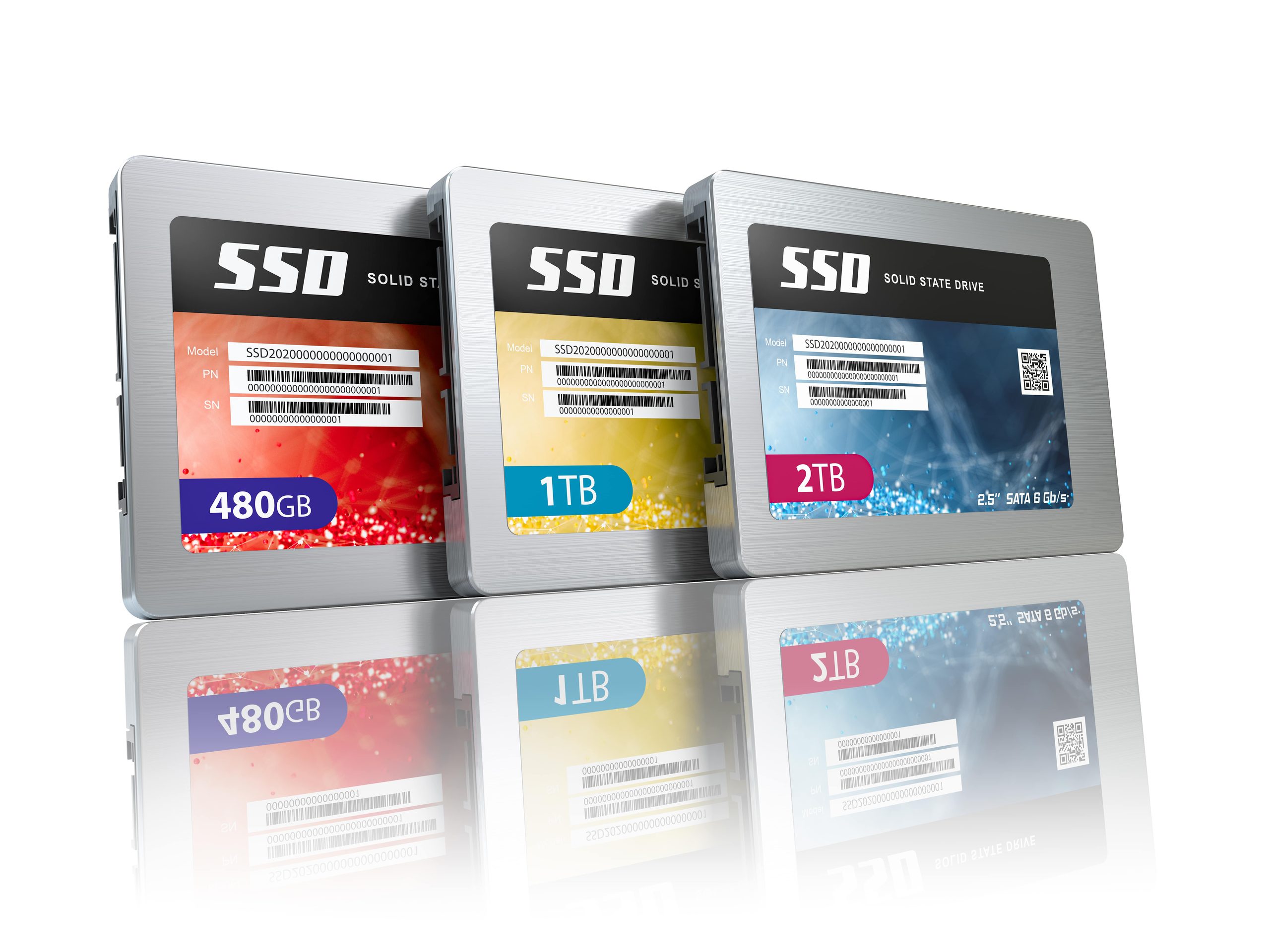
In today’s digital era, data center storage plays a crucial role in the smooth operation and success of businesses. With the ever-increasing volume of data, having a robust and efficient storage solution is essential. Outdated storage solutions can lead to significant challenges, affecting performance, reliability, and overall efficiency. This article explores the need for upgrading data center storage solutions, highlighting the benefits of Solid-State Drives (SSDs) and providing insights on choosing the right SSD for your data center.
The Storage Bottleneck: A Drag on Business Performance
Legacy storage systems, primarily based on Hard Disk Drives (HDDs), are ill-equipped to handle the demands of modern workloads. HDDs suffer from inherent performance limitations due to their mechanical components. This translates to sluggish application response times, delayed data access, and overall system inefficiency. Moreover, the growing volume of data generated by businesses is overwhelming these aging systems, leading to capacity constraints and increased risk of data loss.
The consequences of ignoring these storage challenges are far-reaching. Slow application performance can erode customer satisfaction, hinder productivity, and impede decision-making. Frequent system crashes and data loss can disrupt operations, incur financial losses, and damage brand reputation. Additionally, the energy consumption of HDD-based systems can significantly increase operating costs.
To remain competitive in today’s fast-paced digital world, businesses must prioritize data center modernization. By upgrading to SSDs, organizations can unlock the full potential of their data, drive innovation, and enhance customer experiences.
The SSD Advantage: A Quantum Leap in Performance
SSDs, with their revolutionary architecture, offer a quantum leap in storage performance compared to HDDs. Lacking the mechanical constraints of HDDs, SSDs deliver blazing-fast read and write speeds, dramatically reducing data access times. This translates to significantly improved application responsiveness, accelerated database queries, and faster file transfers. As a result, employees become more productive, and customers experience enhanced satisfaction.
Beyond speed, SSDs are renowned for their energy efficiency. With no moving parts, SSDs consume significantly less power than HDDs, resulting in lower energy bills and a reduced environmental footprint. Additionally, SSDs are exceptionally durable and resistant to shock and vibration, making them ideal for demanding data center environments. This enhanced reliability translates to fewer system failures and reduced downtime, safeguarding critical business operations.
Selecting the Right SSD for Optimal Performance
Choosing the right SSD for your data center is a critical decision that requires careful consideration. The SSD market offers a diverse range of options, each with its own strengths and weaknesses. SATA SSDs provide a cost-effective entry point, while SAS SSDs deliver higher performance and endurance for demanding workloads. However, NVMe SSDs have emerged as the performance leaders, offering unparalleled speed and low latency for applications that require maximum throughput.
When selecting SSDs, factors such as capacity, performance, endurance, and cost must be carefully evaluated to meet specific data center requirements. Leading SSD manufacturers, including Samsung, Micron, and Intel, offer a wide range of products to cater to diverse needs.
Samsung SSDs
Samsung has long been a leader in the SSD market, offering a variety of high-performance and reliable storage solutions for data centers. Samsung provides SSDs for various use cases, from entry-level SATA SSDs to high-end NVMe drives. Samsung SSDs are built to withstand intensive workloads, offering excellent endurance and reliability, which is crucial for data center environments.
Micron SSDs
Micron is another major player in the SSD market, known for its cutting-edge technology and high-quality products. They are designed to be energy-efficient, reducing the overall power consumption of your data center. With low latency and high throughput, Micron SSDs are ideal for applications requiring fast data access and processing. Micron focuses on producing SSDs with high endurance, ensuring they can handle the demanding workloads typical in data centers.
Intel SSDs
Intel is renowned for its innovative approach to technology, and their SSDs are no exception. They offer breakthrough performance, combining high speed with massive storage capacities, ideal for data-intensive tasks. Intel SSDs are built to last, with rigorous testing and high-quality components ensuring they perform reliably over the long term. Intel provides enterprise-grade features such as end-to-end data protection, power loss protection, and advanced error correction, making their SSDs particularly suited for data center use. They offer excellent scalability, allowing businesses to easily expand their storage as their data needs grow.
To maximize the benefits of SSDs, it’s essential to optimize their performance. SSDs excel at random read and write operations, so aligning data access patterns accordingly can significantly improve throughput. Additionally, leveraging advanced features like data compression and deduplication can help extend SSD lifespan and reduce storage costs.
Implementing a Successful SSD Upgrade
Upgrading to SSDs is a strategic initiative that requires careful planning and execution. A well-defined upgrade strategy is crucial to minimize disruptions and ensure a smooth transition. This involves assessing the current storage infrastructure, identifying performance bottlenecks, and developing a detailed migration plan.
Data migration is a critical step in the SSD upgrade process. It involves transferring data from HDDs to SSDs while minimizing downtime and data loss. Implementing robust backup and disaster recovery procedures is essential to protect data during the migration process.
While SSDs offer numerous advantages, challenges may arise during the upgrade. Careful planning, testing, and validation are key to overcoming potential obstacles. Implementing monitoring tools to track SSD performance and health is essential for proactive maintenance and troubleshooting.
Investing in Data Center Storage for Business Success
In conclusion, upgrading your data center storage to SSDs is a strategic investment that offers numerous benefits. It addresses the challenges of outdated storage solutions, enhances performance, and ensures long-term efficiency and reliability. As businesses continue to evolve in the digital age, having a robust and modern storage solution is essential for staying competitive. For the best range of SSD options, consider visiting Semifly Marketplace. Invest in the best SSDs today to prepare your organization for the future.

More Similar Insights and Thought leadership
No Similar Insights Found
Subscribe today to receive more valuable knowledge directly into your inbox
We are writing frequenly. Don’t miss that.
Subscribe to get updates

Unregistered User
It seems you are not registered on this platform. Sign up in order to submit a comment.
Sign up now