Artificial intelligence is evolving beyond systems that only respond to prompts. A new approach called Agentic AI is now emerging. Unlike traditional AI, which waits for instructions or follows narrow rules, agentic AI can set goals, make decisions, and carry out tasks with minimal supervision. In simple terms, it has the ability to perceive, reason, act, and learn, a cycle that makes it more autonomous and adaptable.
The term “agentic” highlights the core idea of agency. These AI systems are not just reactive. They can plan ahead, coordinate multiple steps, and adapt to changing conditions. This shift matters because businesses and researchers increasingly need AI that can handle complex workflows, automate decision-making, and deliver outcomes without constant human input.
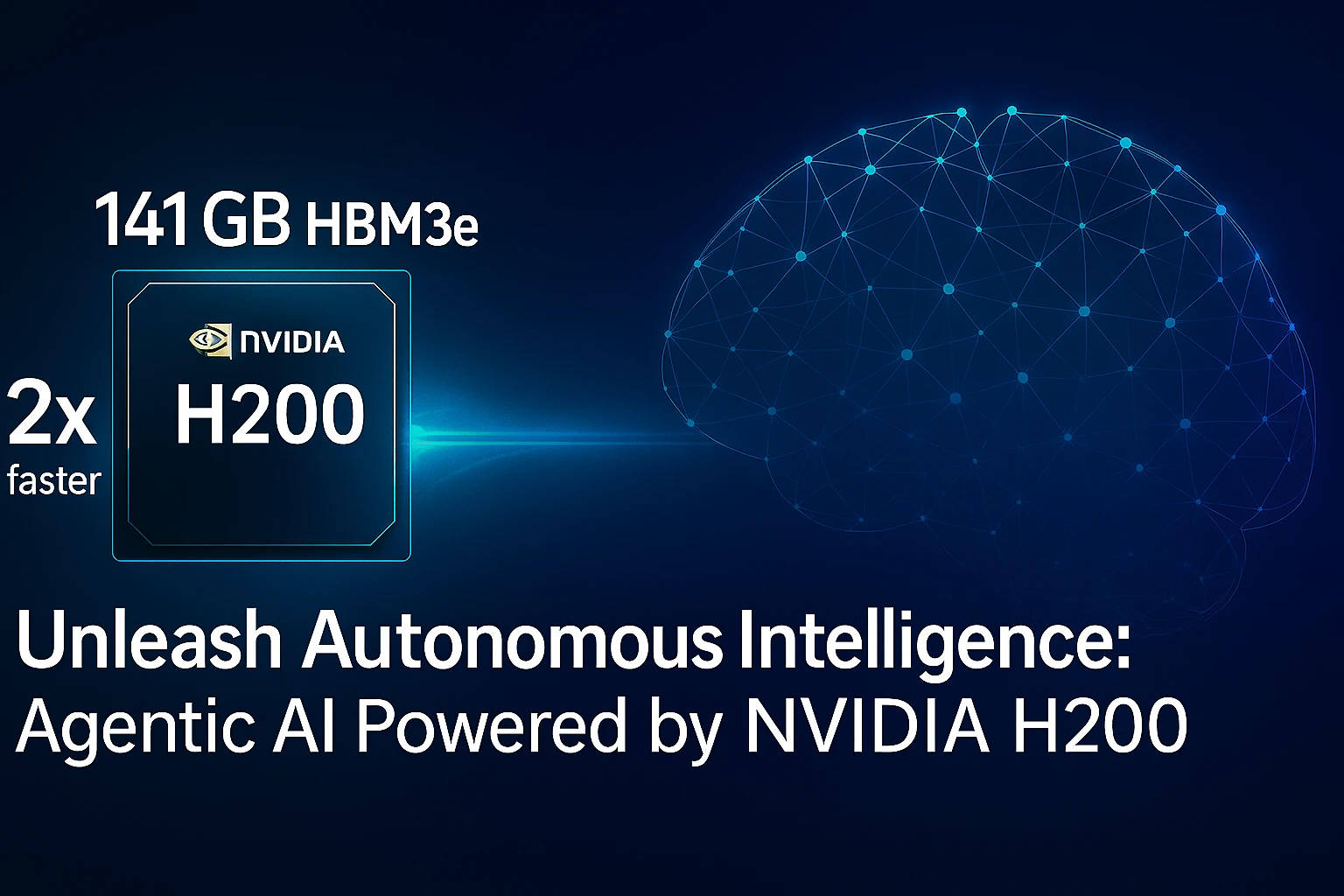
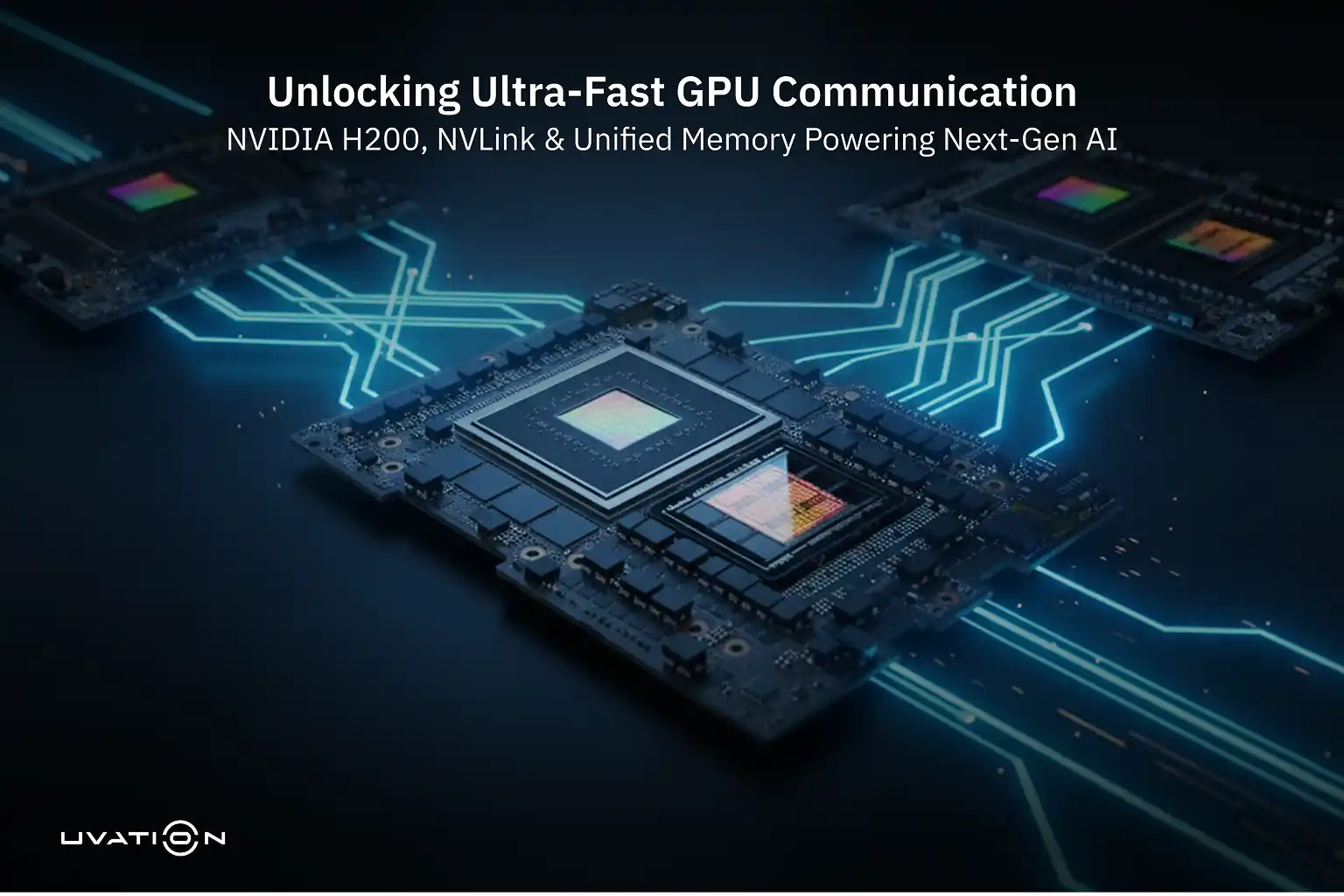
At the same time, advances in hardware are making this new wave of AI possible. A major leap forward is the NVIDIA H200 GPU, built on the Hopper architecture. It is the first GPU to feature HBM3e high-bandwidth memory, offering 141 GB of capacity and up to 4.8 TB/s of bandwidth. This is almost double the memory and significantly higher bandwidth than the H100, its predecessor.
These improvements mean the H200 can run much larger AI models directly on a single GPU and deliver faster responses by reducing data bottlenecks. For agentic AI, which often relies on large language models and complex reasoning loops, this kind of performance is essential. It allows AI agents to think, plan, and act more efficiently, bridging the gap between advanced algorithms and real-world applications.
1. What is Agentic AI and How Does It Differ from Generative AI?
Agentic AI is a form of artificial intelligence that can work toward goals on its own. Instead of waiting for step-by-step instructions, it can plan, decide, and act with minimal human input. Its defining qualities are autonomy (working independently), adaptability (adjusting to change), and agency (acting with purpose). Together, these traits enable agentic AI to manage complex workflows in dynamic environments.
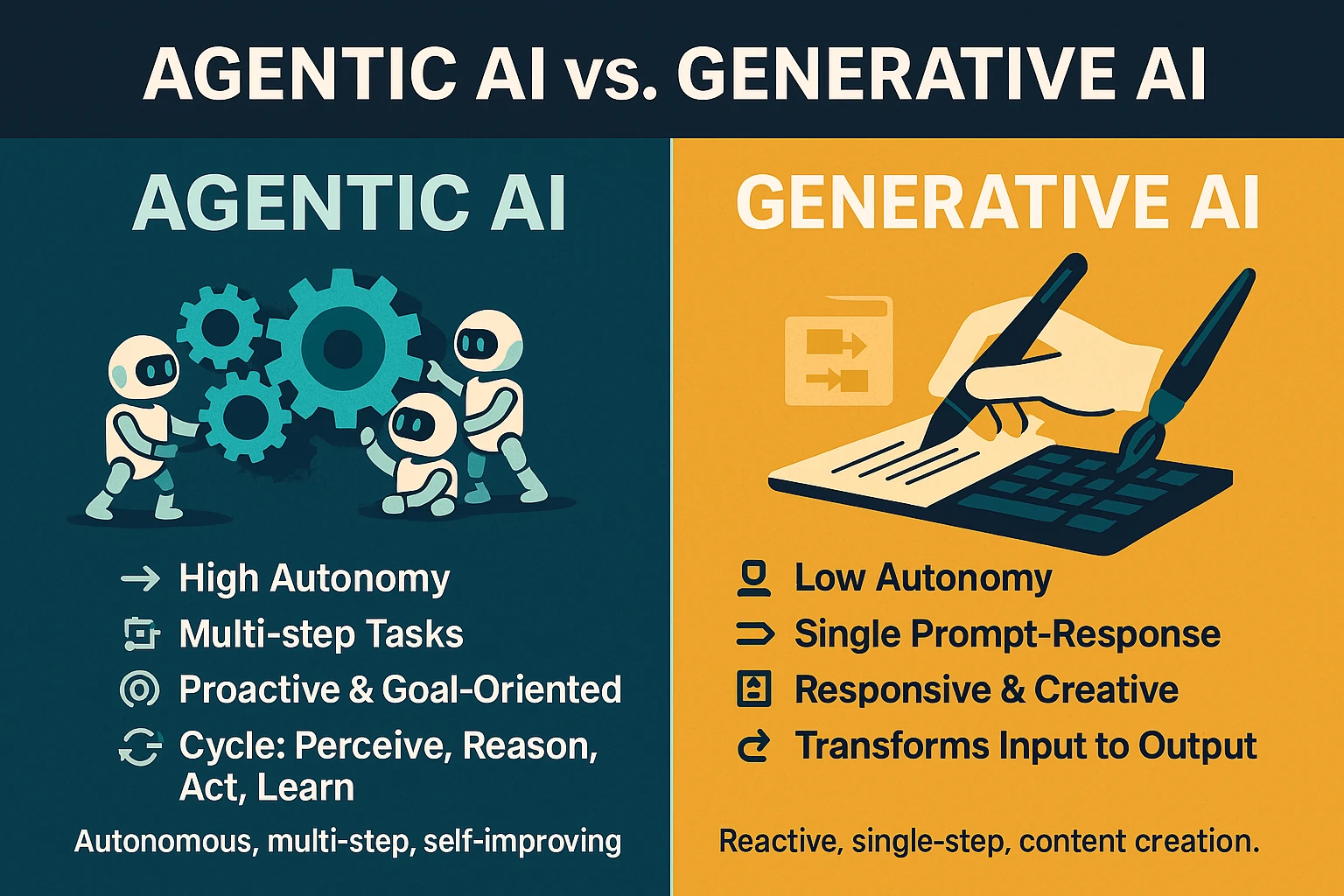
In contrast, generative AI is designed to produce outputs—such as text, images, or code—based on prompts. It is reactive: you ask, and it responds. This makes it an effective creative tool, but it does not plan ahead or execute multi-step tasks on its own.
A simple analogy helps illustrate the difference:
- Generative AI is like a writer—you request a poem or an essay, and it produces one.
- Agentic AI is like a small team—it figures out what needs to be done, organizes the steps, and delivers the finished project.
Comparison at a Glance:
| Feature |
Agentic AI |
Generative AI |
| Core Role |
Acts toward long-term goals |
Creates content on demand |
| Autonomy |
High – minimal human input needed |
Low – requires direct prompts |
| Task Handling |
Multi-step, adaptive workflows |
Single prompt-response tasks |
| Typical Use Cases |
Automation, decision-making, enterprise ops |
Text, images, code, media generation |
2. How Does Agentic AI Work?
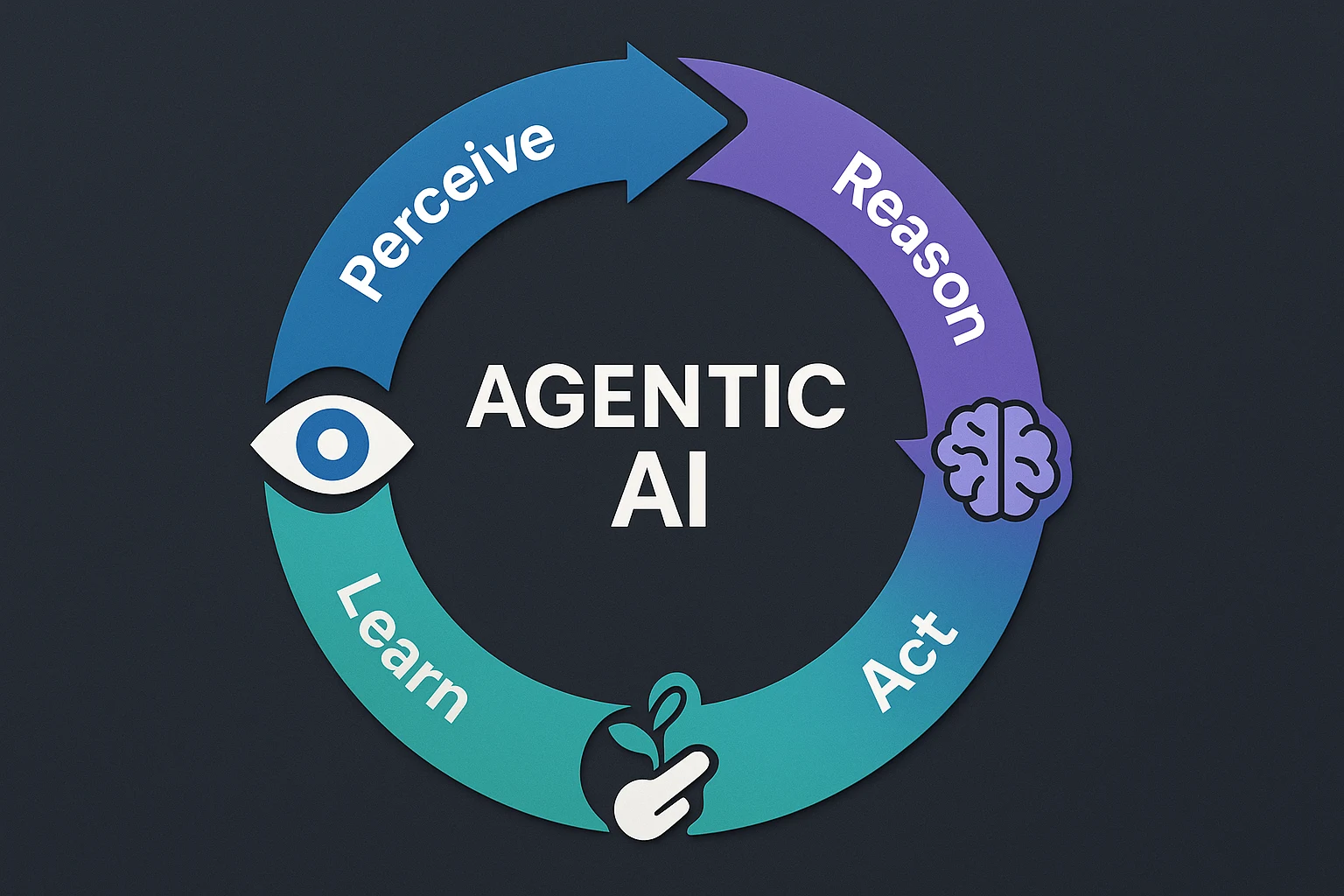
Agentic AI operates via a clear four-step cycle: Perceive, Reason, Act, and Learn. This loop enables the system to think, decide, execute, and improve, mostly on its own.
- Perceive
The AI agent collects and processes data from various sources—like sensors, databases, or APIs. In essence, this step serves as the agent’s way of “seeing” and understanding its environment.
- Reason
The agent uses reasoning—often powered by a large language model (LLM)—to interpret the data, form plans, and coordinate specialized tools. It may leverage techniques like retrieval-augmented generation (RAG) to gather needed information.
- Act
Once the plan is ready, the agent executes tasks. It does this through external software, APIs, or other tools. Built-in guardrails ensure that actions stay within safe boundaries.
- Learn
After acting, the system learns from outcomes. This feedback is used to improve future decisions through a continuous learning process often referred to as a “data flywheel.”
Beyond this core cycle, agentic AI extends its capabilities by integrating into ecosystems of agents, tools, and people. In real-world enterprise settings, systems like UiPath orchestrate multiple agents, each handling specialized tasks as part of broader workflows.
Table: Key Steps in Agentic AI Workflows
| Step |
Function |
| Perceive |
Gather and interpret data from sensors, databases, and inputs |
| Reason |
Use an LLM to plan, coordinate specialized tools, and strategize |
| Act |
Execute tasks via APIs or tools; apply guardrails to ensure safety |
| Learn |
Improve through feedback loops and continuous learning |
3. Why Does Agentic AI Matter for Business and Society?
Agentic AI is more than just a technical upgrade; it represents a shift in how organizations and societies can use artificial intelligence. By moving from reactive systems to proactive agents, businesses gain efficiency, resilience, and the ability to scale decision-making. At the same time, society benefits from smarter automation, better services, and improved productivity.
Business Impact
For enterprises, agentic AI unlocks new levels of automation and orchestration. Instead of relying on humans to manually chain together workflows, agentic systems can handle multi-step processes end-to-end. This is particularly valuable in areas like:
- Customer Service: AI agents can not only respond to customer queries but also process refunds, schedule deliveries, or escalate cases automatically.
- Operations: Supply chain agents can track inventory, predict shortages, and reorder materials without human intervention.
- Knowledge Work: Agents can analyze documents, pull data from systems, and prepare reports, freeing employees for higher-value tasks.
This proactive capability helps businesses reduce costs, improve speed, and stay competitive in fast-moving markets.
Societal Impact
For society, agentic AI promises greater accessibility and productivity. Healthcare providers can deploy AI agents to monitor patients, flag risks, and support personalized treatment. Governments can use agents for case management, benefits processing, and regulatory compliance. Education systems can provide adaptive learning agents that guide students step by step.
At the same time, there are challenges. Autonomy means these systems must be built with strong guardrails, ethics, and oversight to avoid bias or harmful decisions. Organizations like the EU and U.S. NIST are already exploring governance frameworks to ensure responsible use.
4. What is NVIDIA H200 and How Does It Accelerate Agentic AI?
The NVIDIA H200 is a cutting-edge GPU built on the Hopper architecture. It’s the first to feature HBM3e memory—offering a massive 141 GB capacity and blazing 4.8 TB/s bandwidth. This makes it ideal for demanding AI tasks.
Larger, Faster Memory
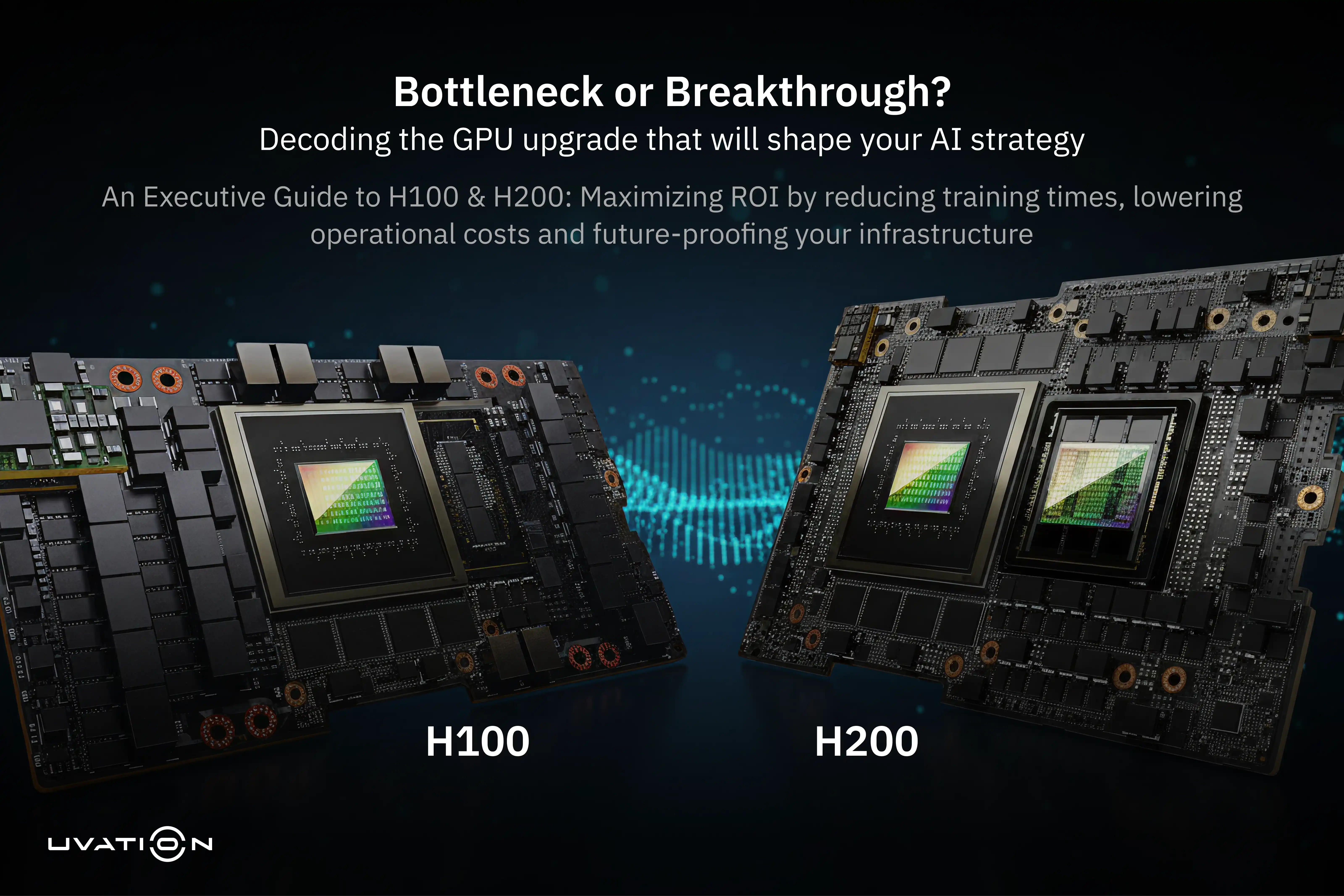
Compared to the previous H100, the H200 nearly doubles its memory—from 80 GB to 141 GB—and boosts bandwidth by about 40–43%. This allows agentic AI systems to operate with larger language models and deeper context without splitting data across GPUs.
Boosted Inference Performance
In real-world benchmarks, the H200 delivers up to 2x faster inference when processing large language models like Llama 2. This means agentic agents can “think” and respond more quickly and fluidly.
Greater Energy Efficiency
Despite its higher performance, the H200 maintains efficient power use. It can deliver up to 50% lower energy usage during inference workloads compared to H100, which translates to lower operational costs over time.
Compatibility and Scale
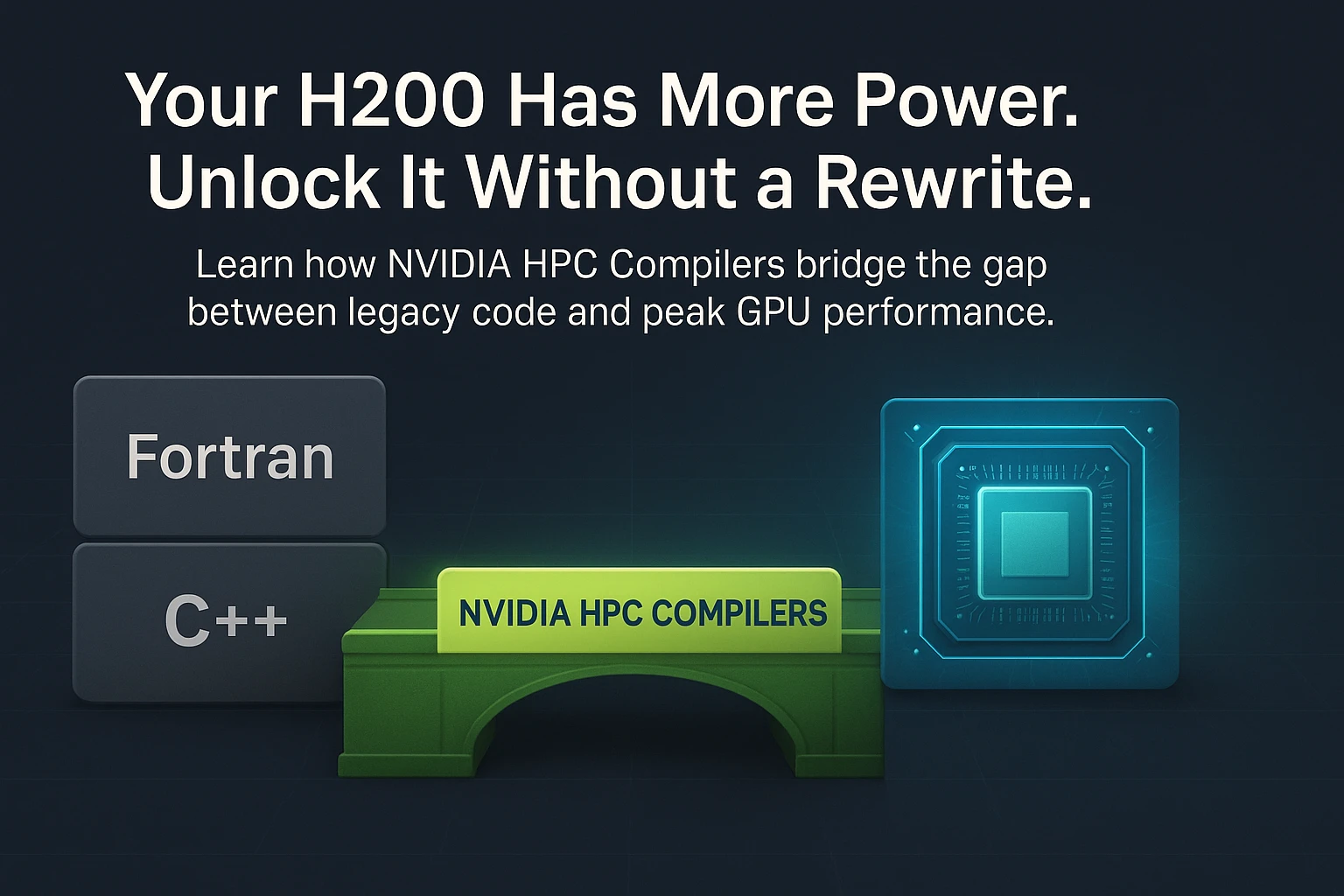
Built on the same Hopper foundation as H100, the H200 is fully compatible with standard AI software tools. Scaling across multiple GPUs is seamless, thanks to features like NVLink, which supports high-speed interconnects and Multi-Instance GPU (MIG) partitioning.
Table: NVIDIA H200 vs. H100: What Powers Agentic AI Better?
| Feature |
H100 (Older Generation) |
H200 (New Generation) |
| Memory Capacity |
~80 GB HBM3 |
141 GB HBM3e – nearly double |
| Memory Bandwidth |
~3.35 TB/s |
4.8 TB/s – ~40% faster |
| Inference Speed |
Baseline throughput for LLMs |
Up to 2× faster inference for models like Llama 2 |
| Energy Efficiency |
Standard operational power usage |
Up to 50% lower energy use during inference |
| Scalability / Tools |
Compatible with Hopper architecture stack |
Same compatibility plus smoother scale via NVLink |
Why It Matters for Agentic AI
Agentic AI relies heavily on rapid data throughput and large context handling for its four-step cycle—perceive, reason, act, learn. The NVIDIA H200 elevates each phase by offering:
- Faster access to massive datasets (Perceive)
- Richer model capabilities for reasoning
- Swift execution with low latency (Act)
- Continuous learning with scalable, efficient hardware
By delivering more memory, speed, and energy efficiency—all while fitting into existing software ecosystems—the H200 unlocks the full potential of agentic AI at real-world scale.
5. How Are NVIDIA H200 and Agentic AI Being Integrated?
The powerful NVIDIA H200 is not just high-spec hardware—it is actively transforming the landscape of agentic AI by powering reasoning, planning, and scalable deployment across various platforms.
1. Speeding Up LLM Inference & Generative Reasoning
At the heart of agentic AI lies the need for fast and accurate inference from large language models (LLMs). The H200’s high memory capacity and bandwidth make it ideal for handling these complex, generation-heavy tasks. This capability directly speeds up the agentic AI’s reasoning and planning phases.
2. Embedded in Enterprise AI Stacks via DGX H200
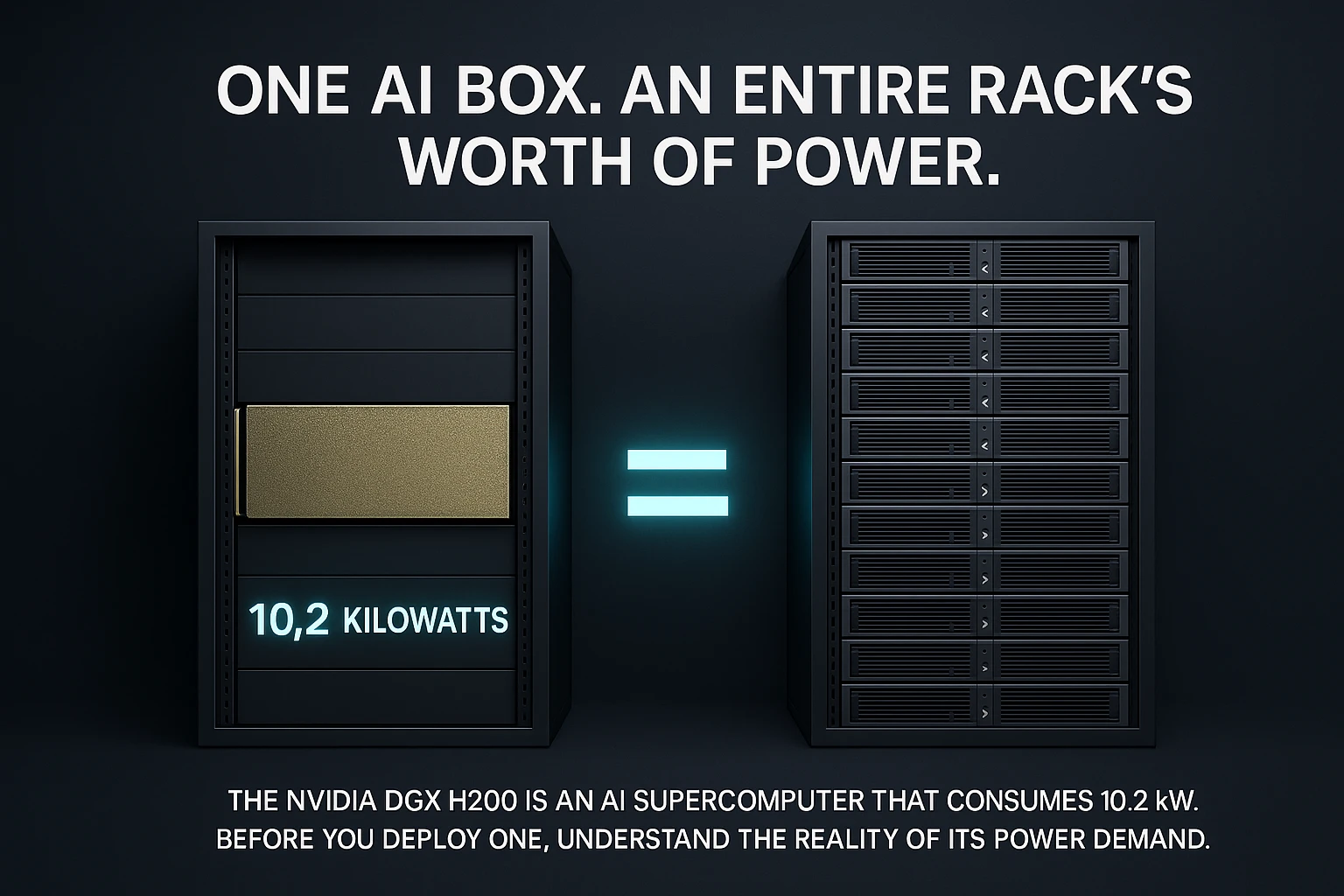
For organizations building turnkey, enterprise-grade AI systems, NVIDIA’s DGX H200 platform offers a fully integrated hardware and software environment. It packs multiple H200 GPUs with high-speed interconnects, delivering up to 32 petaflops of AI performance. This setup supports end-to-end workflows—from model orchestration to real-time inference—in agentic AI applications.
Table: Integration Scenarios of H200 with Agentic AI
| Integration Scenario |
Description |
| LLM Inference Acceleration |
H200’s high memory/bandwidth enables faster, larger model inference |
| Enterprise AI Stack |
DGX H200 platform unites GPU performance with AI orchestration tools |
6. What Future Opportunities and Considerations Lie Ahead?
As agentic AI continues to mature, its impact will reach far beyond today’s business use cases. From accelerating scientific discovery to reshaping cybersecurity, these systems promise both powerful opportunities and new challenges. At the same time, questions of ethics, governance, and long-term societal effects will only grow more important.
1. Scientific Discovery Transformed by Agentic AI
Agentic AI is already reshaping scientific research by taking charge of complex workflows—from reviewing literature to proposing experiments and making sense of results. Systems like Robin automate discovery in fields like chemistry and biology, identifying novel treatments through hypothesis generation and validation. Such AI agents can perform tasks traditionally reserved for humans, transforming how research is conducted.
A broader survey of agentic AI systems highlights their growing role in automating literature reviews, hypothesis generation, and experiments—expanding access to advanced research tools and pushing scientific boundaries.
2. Cybersecurity and the Escalating AI Arms Race
Agentic AI is also remixing cybersecurity—both defenders and attackers are deploying intelligent agents. This raises the stakes, as autonomous systems can run multi-step operations, adapt in real time, and outpace traditional security measures. This acceleration brings us closer to an AI-fueled cyber arms race.
As one expert puts it: Agentic AI may enable capabilities once limited to the most resource-rich actors—making global cyber defense more complex and urgent.
3. Ethics, Accountability, and Governance
With increased autonomy comes the need for clear frameworks. Agentic AI challenges our legal and ethical norms, creating what some call a “moral crumple zone,” where human responsibility becomes diluted. Transparent oversight, clear liability models, and ethical design are essential to prevent misuse and build trust.
Industry leaders are pushing for robust governance—simple disclosures won’t suffice. Companies must embed accountability into the design and deployment of AI agents.
Regulatory bodies are beginning to respond. Examples include the Council of Europe’s AI convention, emphasizing human rights and transparency, and emerging national frameworks across the EU and U.S. (e.g., NIST).
4. The Rise of the Agentic Web and Multi-Agent Ecosystems
Looking ahead, we may see the emergence of the Agentic Web—a decentralized network of AI agents that autonomously collaborate across services and platforms. Picture agents forming teams, negotiating, composing solutions, and continuously evolving. This networked intelligence could fundamentally transform how digital systems interact. This evolution points to a future where our systems are not just tools, but collaborative ecosystems—self-organizing and self-improving.
Conclusion
Agentic AI represents a major step forward in artificial intelligence. Unlike traditional systems that simply generate outputs, agentic AI can perceive, plan, act, and learn on its own. This autonomy allows it to take on complex, multi-step tasks in business, science, and beyond.
The NVIDIA H200 GPU plays a central role in making this possible. With its Hopper architecture, high-bandwidth HBM3e memory, and massive parallelism, the H200 provides the power needed to run large language models and agentic workflows at scale. Together, agentic AI and H200 open the door to faster discovery, smarter automation, and more adaptive enterprise systems.
At the same time, this progress comes with important responsibilities. Autonomous systems raise questions around ethics, accountability, and cybersecurity. To unlock their full potential, organizations must pair technological innovation with strong governance frameworks and transparent design principles.
In short, agentic AI paired with the NVIDIA H200 offers both a technical leap and a societal challenge. Those who explore and adopt these systems responsibly will help shape the future of AI, not just as a tool, but as a trusted collaborator.





Unregistered User
It seems you are not registered on this platform. Sign up in order to submit a comment.
Sign up now