In 2022, patients and healthcare providers have come to accept telehealth as a legitimate tool in clinical care. McKinsey reports a 38-times increase of telehealth usage versus before the pandemic as well, driven in part by mobility restrictions associated with the COVID-19 pandemic.
Increased investments, regulatory changes, and sheer necessity among over-encumbered providers all have contributed to telehealth adoption. Its acceptance means opportunities for a range of clinical, non- clinical, and research use cases indicative of new breakthroughs in the way medicine is practiced.
But there are still some unanswered questions about telehealth and its future. For example:
• Which patients are best served by telehealth?
• What types of care are best administered this way?
• What are the advantages and disadvantages for providers?
• Which technologies work best, and for what purpose?
This article considers the current state of telehealth and makes predictions about how it will evolve in the years to come.
Defining Telehealth in Modern Healthcare
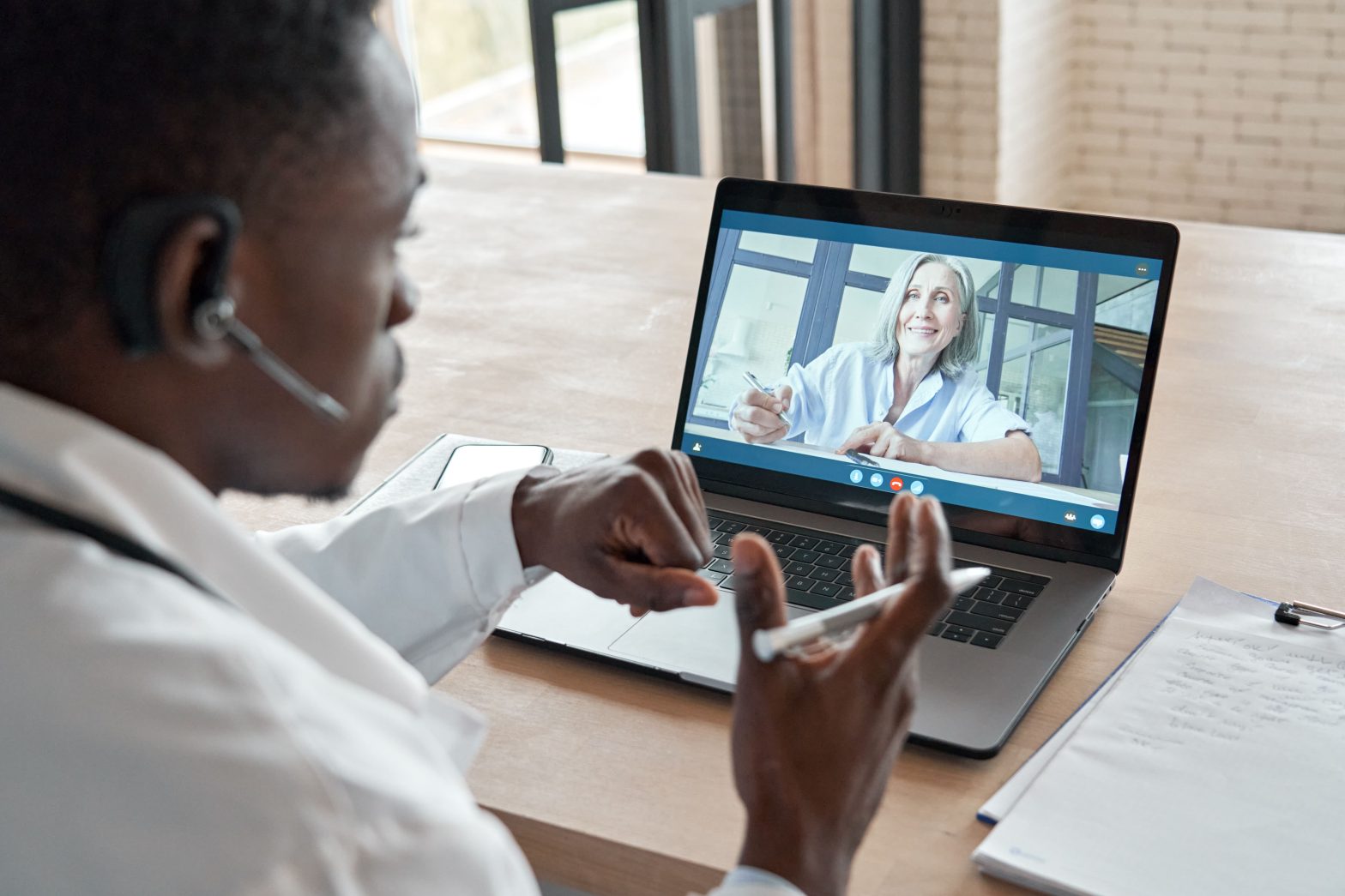
At its core, telehealth is the use of telecommunication and information technologies to provide clinical care or other healthcare services from a distance. Platforms for telehealth include video conferencing, email, online chat, direct messaging and SMS, and remote-monitoring tools via Internet of Things (IoT) devices, among others. Even today’s telehealth technologies can be used for a variety use cases, including diagnosis, treatment, consultation, education, and research.
The terms telehealth and telemedicine are often used interchangeably—but while they share characteristics, they have different scopes. Telehealth refers to the use of telecommunication and information technologies for any healthcare service. Telemedicine is a specific type of telehealth that involves the diagnosis and treatment of patients from a distance.
In the past, telehealth was mainly used for consultations and remote monitoring. Platforms for telehealth ranged from traditional phone calls as early as the 1990s to informal platforms like Skype repurposed for provider-patient engagement.
But in the last two years, telehealth has been increasingly used for more robust purposes, such as diagnosis and treatment. This is due to advances in telecommunication and information technologies, as well as changes in healthcare policy. The Centers for Medicare & Medicaid Services expanded its reimbursable telehealth codes for the 2021 Physician Fee Schedule, legitimizing telehealth-based care among providers. Telehealth coverage has expanded under Medicare and Medicaid; dedicated societies and organizations have released new guidelines for telehealth as well.
For patients, telehealth can provide access to care when it’s difficult to access locally. A July and August 2020 study by the COVID-19 Healthcare Coalition found that 86.5% of rural physicians had been using telehealth for 6 or fewer months. Providers can reach more patients, improve patient outcomes outside clinical spaces, and save on administrative and facilities costs associated with regular on-premises visits.
Modern Telehealth Technologies
Today, telehealth is supported by a wide range of telecommunication and information technologies. In addition to video conferencing, email, direct messaging or SMS, and online chat tools, more recent technologies include telehealth kiosks and mobile telehealth applications.
There are new and emerging telehealth technologies as well. These include virtual reality, telemedicine carts, and telehealth robots, among others. In his recent Forbes article, Sal Balasubramanian, M.D., J.D. predicts the use of augmented reality, virtual reality engagements with haptic technologies, and robotic- assisted surgery systems will become more common in patient care.
Six Use Cases for Modern Telehealth

Although telehealth’s platform technologies are easy to understand, it’s difficult visualizing to whom telehealth will deliver the best clinical results. But there are real use cases for telehealth that can drive improvements as part of a more comprehensive care plan, such as:
Consultations. Patients and providers can use dedicated videoconferencing platforms to participate in consultations, share information, sign and file paperwork, and create at-home personal care plans in a secure and accessible way.
Education. Providers can use dynamic digital environments to provide more robust forms of education to patients about important conditions, treatments, and procedures compared to traditional pamphlets or printouts.
Remote diagnostics and treatment. Many of the tools used in doctors’ offices can be emulated using dedicated devices local to patients, devices given to patients to take home, or patients’ personal devices themselves. Mobile apps and IoT medical devices increasingly integrate with treatment methods as well, such as the administration of insulin.
Remote monitoring of patients. Dedicated or patients’ personal mobile devices can use Bluetooth, Wi-Fi, or mobile connectivity to send real-time data to providers monitoring patients’ conditions from their homes, where they might otherwise be bound to a medical facility.
Management of mental health disorders. Patients with mental health needs can more readily access therapists, psychiatrists, and emergency hotlines for regular appointments, follow up questions, or even crisis intervention.
Follow-up care after surgery. Telehealth can make post-operative follow-ups easier for patients. Follow-ups ensure proper recovery and prevent readmissions, according to a recent study from University of Utah Health.
Training other providers. Just as telehealth can provide patients with a deeper understanding of conditions, treatments, and options, teaching providers can engage other providers in educational capacities using telehealth.
Overcoming Emerging Challenges in Telehealth
Although telehealth can improve patient outcomes in several scenarios, there are challenges to telehealth as an operational investment. For example, the cost of telehealth can be a barrier for some patients and healthcare providers. “[Patients’] willingness to use telehealth is very sensitive to costs,” one RAND Corporation study found. “Patients may not perceive video visits to have the same value as in-person health care” as well.
If the technologies fail, patients miss out on care that might have been provided in traditional clinical settings. There are privacy concerns associated with telehealth as well; these include the risk that patient data might be accessed by unauthorized individuals, and the risk that patient data might be used for marketing purposes.
Even so, a strategic approach to the implementation of telehealth solutions can ensure the right balance of on-premises and remote patient care. Techniques for healthcare organizations and technology developers to consider include:
Identify conditions where telehealth improves access to care. Telehealth can help patients in rural communities and other areas that have limited access to healthcare providers.
Identify conditions where telehealth improves quality of care. Telehealth can help patients reach specialists remotely or increase the frequency of engagements with providers in a cost- effective way; telehealth enables providers to remotely monitor patients or participate in self- reporting that can optimize care as well.
Prioritize cost reduction opportunities for patients and providers. Factors related to patients’ conditions or required types of care mean telehealth can reduce the frequency of costly in- person visits.
Optimize use of provider resources and expertise. Providers can limit patient engagements where a remote session is sufficient, allowing them to focus attention on more critical in-person patient needs.
Development of telehealth specialty clinics. There is potential for the development of telehealth specialty clinics, which could provide care for specific conditions or patient populations without requiring patients to use in-home connected devices or travel to distant facilities.
Telehealth Success Means Keeping a Human Touch
Although telehealth has great potential to improve patient care, “it must also be developed in a way that does not encroach upon or mitigate the sensitive, humanistic, and sacred patient-physician relationship that has long-defined healthcare,” as Balasubramanian describes in Forbes. With this approach, telehealth will continue to grow in popularity, and more healthcare providers will begin to use telehealth technologies to optimize clinical care.
Partner with Semifly for as You Consider Telehealth
Whether you’re developing a telehealth technology or considering telehealth adoption, the consultants at Semifly are here to help. Contact us directly to discuss your options today.











Unregistered User
It seems you are not registered on this platform. Sign up in order to submit a comment.
Sign up now