• Reducing the Carbon Footprint: Energy-Saving Strategies for Data Centers
      Reducing the Carbon Footprint: Energy-Saving Strategies for Data Centers
      FEATURED INSIGHT OF THE WEEK

      Reducing the Carbon Footprint: Energy-Saving Strategies for Data Centers

      Data centers, the backbone of our digital world, are massive energy consumers. As their demand surges, utilizing renewable energy sources becomes imperative. This article explores energy consumption in data centers, projected future usage, energy-saving strategies, and the critical role of renewables in ensuring a sustainable future.

      4 minute read

      Search Insights & Thought Leadership

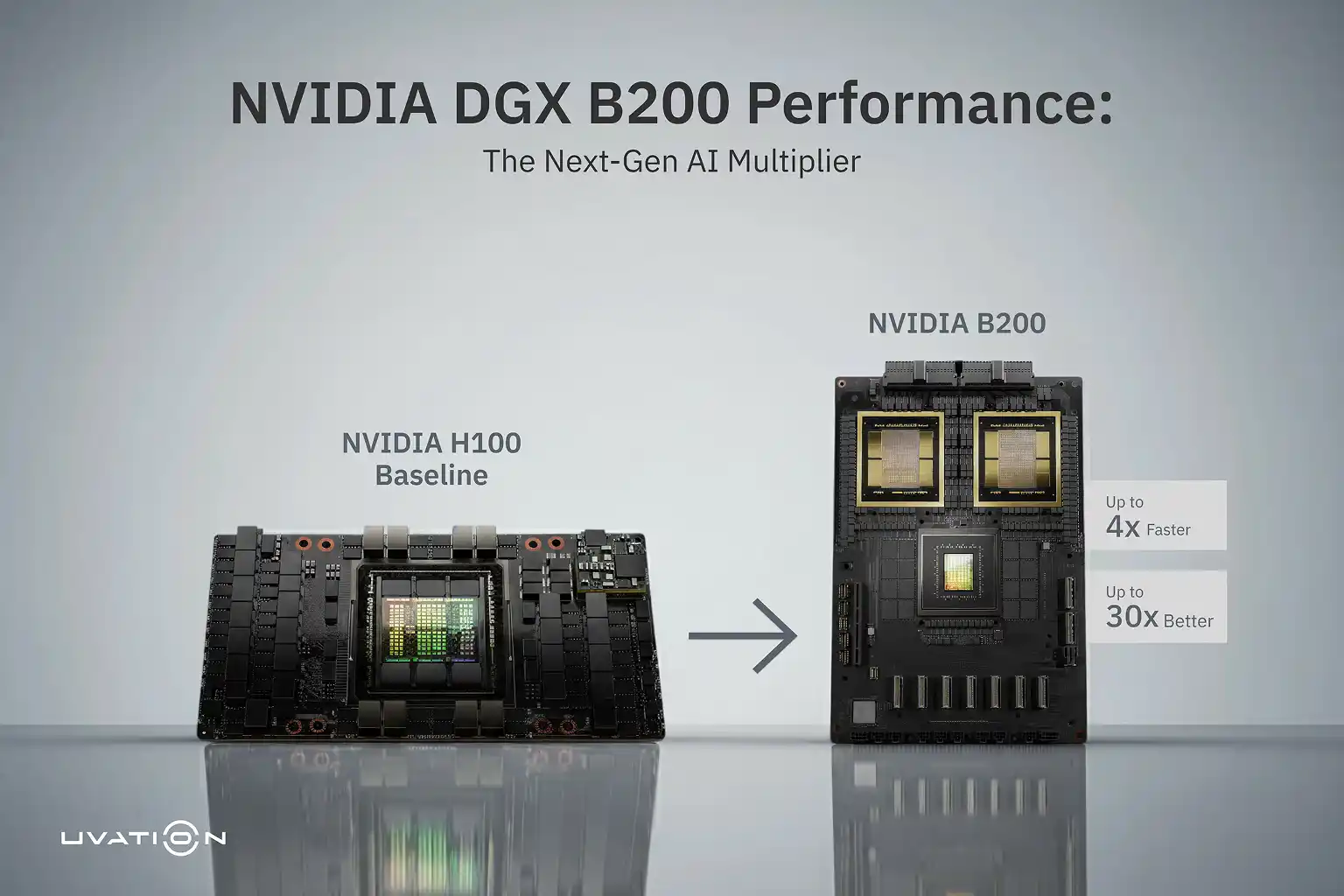
          DGX B200 vs DGX H100 Benchmarks: A Deep Dive into NVIDIA’s Next-Gen AI Performance

          DGX B200 vs DGX H100 Benchmarks: A Deep Dive into NVIDIA’s Next-Gen AI Performance

          The blog "DGX B200 vs DGX H100 Benchmarks: A Deep Dive into NVIDIA’s Next-Gen AI Performance" compares the performance of the DGX H100 (Hopper architecture) against the new DGX B200 (Blackwell architecture) for handling complex AI models. The DGX B200 system uses eight Blackwell B200 Tensor Core GPUs, featuring 192GB of HBM3e memory per GPU, a dual-die design, and NVLink 5.0 connectivity, which doubles the GPU-to-GPU bandwidth to 1.8TB/s (up from the H100’s 900GB/s NVLink 4.0). Benchmarks show that the DGX B200 provides substantial performance improvements: it offers up to three times faster training throughput for large language models and up to 15 times higher performance for inference compared to the H100. Furthermore, Blackwell enhances energy efficiency, potentially achieving up to 30x better efficiency for inference. The B200 also excels in scalability, supporting up to 576 maximum cluster GPUs through enhanced NVLink memory coherence, positioning it as the new benchmark for foundation model training and large-scale simulation tasks.

          13 minute read

          NVIDIA DGX H200 Components: Deep Dive into the Hardware Architecture

          NVIDIA DGX H200 Components: Deep Dive into the Hardware Architecture

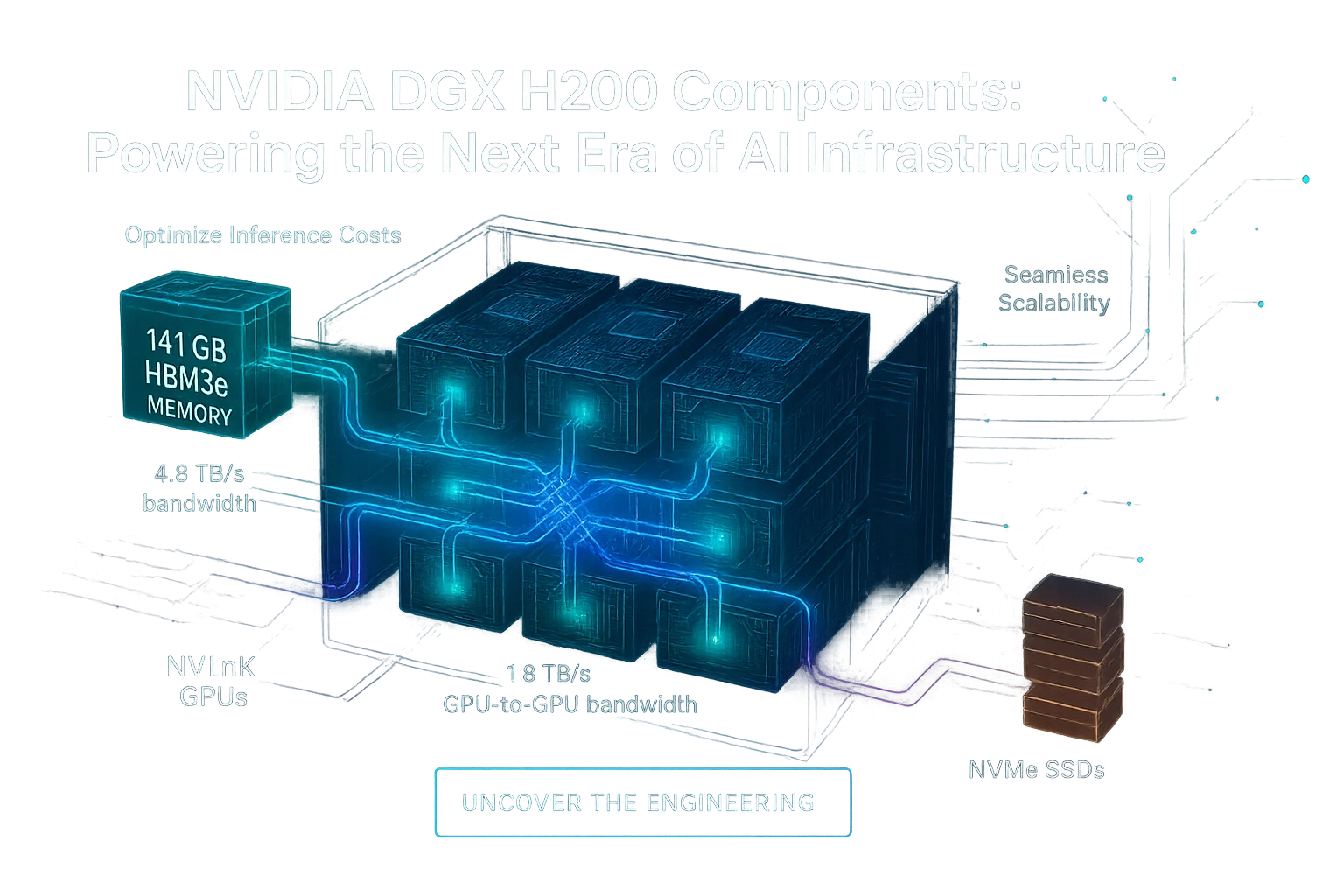
          The NVIDIA DGX H200 is a carefully engineered system designed for next-generation AI infrastructure, integrating a convergence of GPUs, networking, memory, CPUs, storage, and power systems. It features 8x H200 GPUs, each with 141 GB HBM3e memory and 4.8 TB/s bandwidth, interconnected by NVLink 4.0 and NVSwitch to create a high-bandwidth compute pool. This architecture is crucial for preventing bottlenecks during the training of large language models (LLMs) and multi-tenant inference. systems are vital for sustaining peak loads and continuous high throughput. This comprehensive component design translates into faster training convergence, lower inference costs, reduced I/O stalls, and seamless distributed scaling for enterprises. Semifly assists clients in optimising these deployments to achieve higher utilisation and return on investment. High-core-count CPUs manage orchestration and I/O, whilst NVMe SSDs with parallel file systems and GPUDirect Storage ensure data-hungry AI workloads are fed efficiently. InfiniBand/Ethernet with RoCE and GPUDirect RDMA enable seamless scaling across multiple nodes for distributed AI. Robust cooling and redundant power

          5 minute read

          Energy and Utilities

          Beyond the Model: How TensorRT and Inference Unlock Real ROI on NVIDIA H200

          Beyond the Model: How TensorRT and Inference Unlock Real ROI on NVIDIA H200

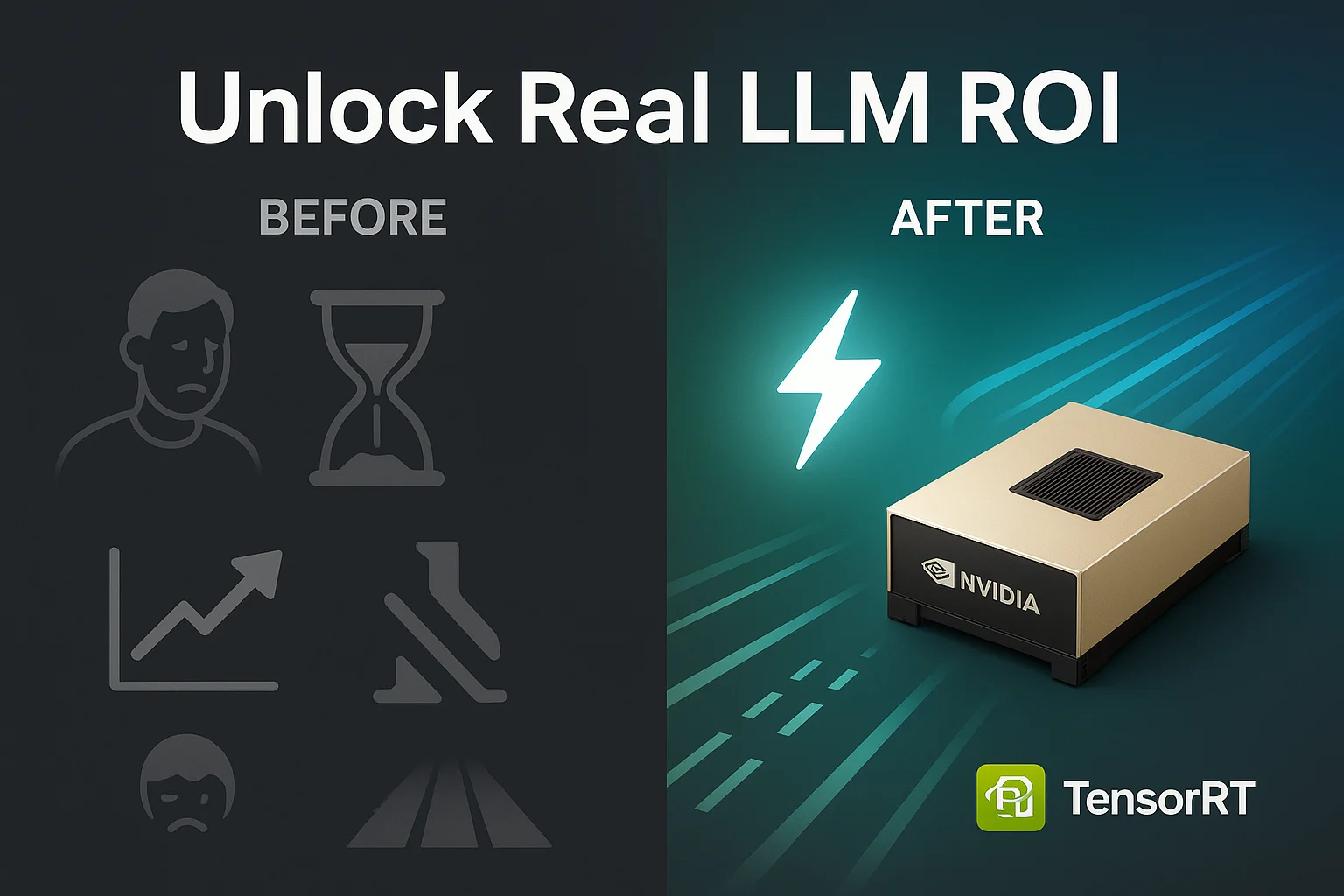
          For enterprise AI, inference—not training—determines the economic and operational viability of Large Language Models (LLMs). While training is a one-time cost, inference is perpetual, directly impacting user experience (UX) and overall costs. TensorRT, NVIDIA's deep learning inference SDK, optimises trained models for high-performance, low-latency execution without altering their architecture. It achieves this through capabilities like Layer Fusion, FP8/INT8 Quantization, Kernel Auto-Tuning, Dynamic Batching, and Framework Interoperability (supporting PyTorch, TensorFlow, or ONNX). When paired with the NVIDIA H200 GPU, which features native FP8 Tensor Cores, 141 GB HBM3e Memory, and 900 GB/s NVLink bandwidth, TensorRT delivers significant gains. This combination leads to sub-300ms latency, reduced inference costs, and increased throughput for complex LLM use cases. The aim is to make running LLMs profitable by intelligently scaling performance.

          5 minute read

          Unlocking High‑Performance AI Networking with NVIDIA MOFED and H200

          Unlocking High‑Performance AI Networking with NVIDIA MOFED and H200

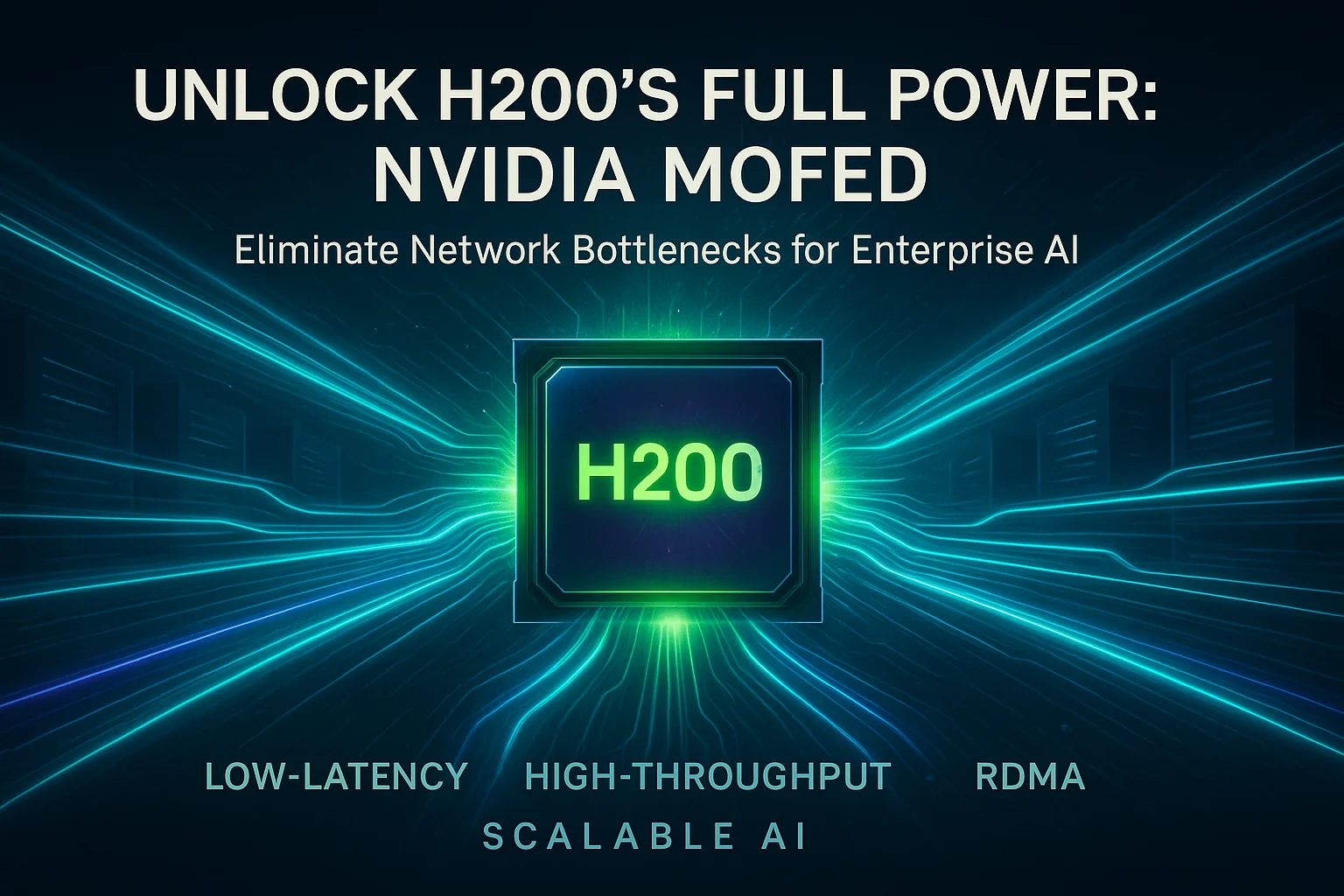
          NVIDIA Networking OpenFabrics Enterprise Distribution for Linux (MOFED) is NVIDIA's accelerated network software stack, essential for high-performance AI networking. It enables low-latency, high-throughput, and zero-copy data movement between GPUs, CPUs, and storage using technologies like RDMA, InfiniBand, and RoCE. MOFED is critical for unlocking the full potential of NVIDIA H200 GPUs. While the H200 boasts immense processing power, its performance can be severely bottlenecked by inadequate networking. MOFED ensures fast movement of large data blocks and inference traffic, complementing H200 features like HBM3e and NVLink, and preventing issues like high latency and packet loss in distributed training. Real-world use cases for MOFED in H200 environments include distributed LLM training, multi-tenant inference serving, Retrieval-Augmented Generation (RAG), and high-speed storage integration. Semifly deploys MOFED-optimised H200 clusters with pre-installed drivers and configurations to ensure scalable, production-ready AI infrastructure. MOFED is foundational for H200 investments.

          4 minute read

          Redundant by Design: How NVIDIA H200 Power Management Empowers Real Enterprise AI

          Redundant by Design: How NVIDIA H200 Power Management Empowers Real Enterprise AI

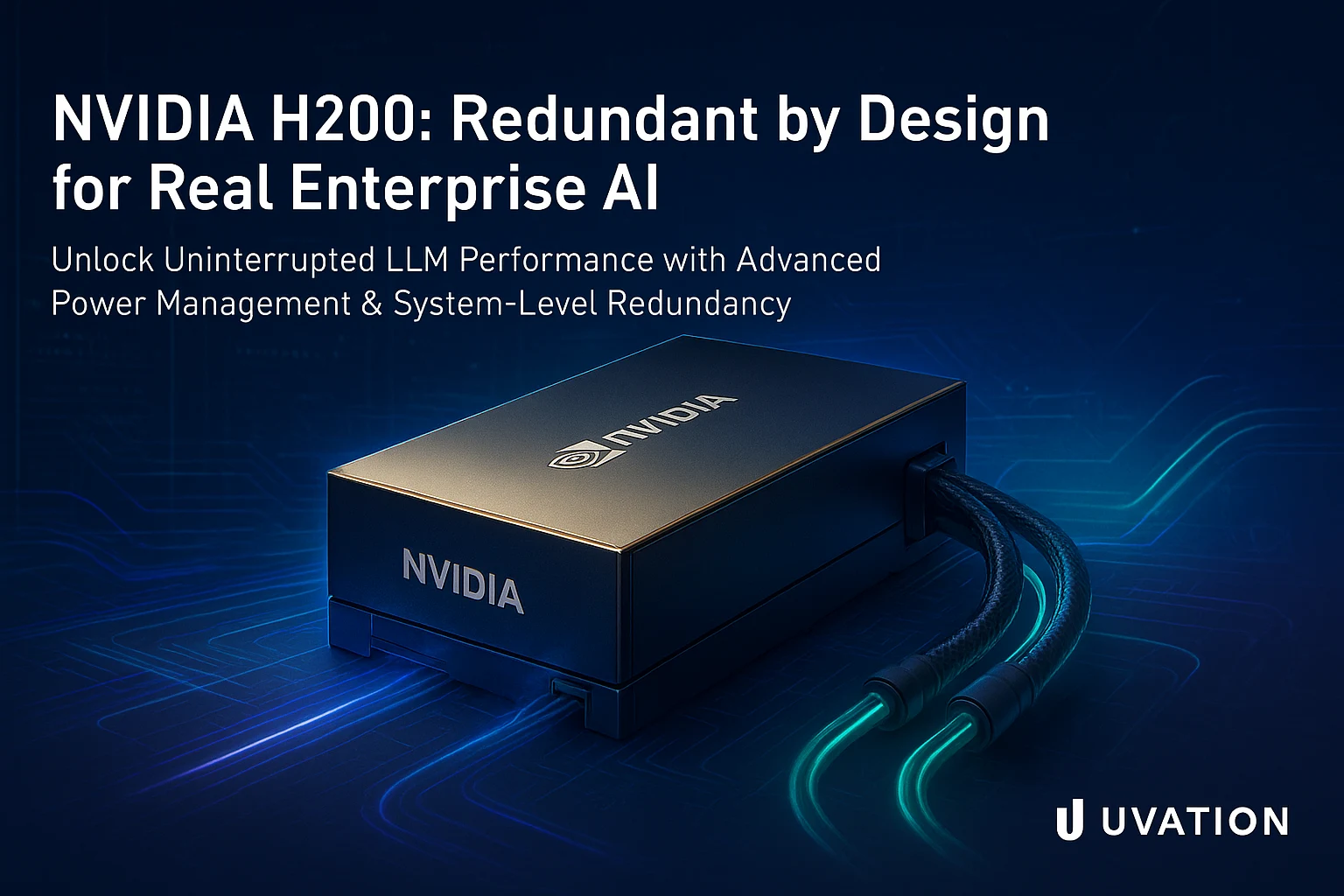
          The NVIDIA H200 focuses on power management and redundancy, which are crucial for enterprise-grade Large Language Model (LLM) deployments and operational continuity. Modern LLM workloads require sustained performance but risk downtime from single-point power failures or unbalanced thermal profiles. The H200 incorporates features such as a 700W max power draw, dynamic thermal monitoring, multi-rail power redundancy support, and board-level telemetry integration. True redundancy extends beyond the GPU, involving system-level design like dual-feed power, N+1 cooling, and NVSwitch fabric separation. This approach enhances both uptime and model performance, enabling higher GPU utilisation and safer, longer fine-tuning cycles. Semifly assists enterprises in deploying power-optimised, fault-tolerant H200 systems by integrating telemetry and mapping redundancy, ensuring the H200's capabilities are fully unlocked.

          4 minute read

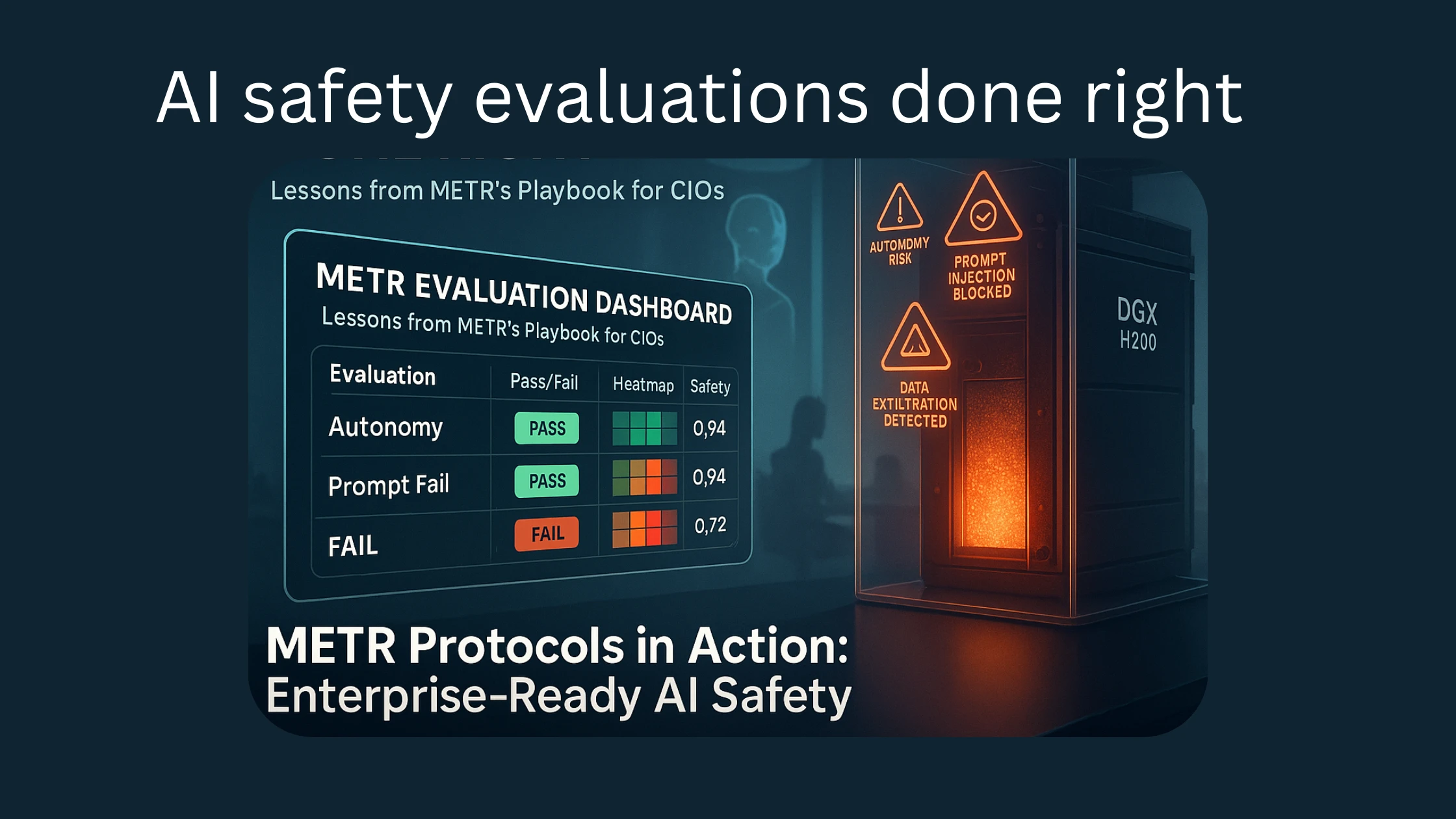
          AI Safety Evaluations Done Right: What Enterprise CIOs Can Learn from METR’s Playbook

          AI Safety Evaluations Done Right: What Enterprise CIOs Can Learn from METR’s Playbook

          We hit 92% accuracy on our GenAI pilot—and the board still flagged it. Why? Because we’d never quantified the system’s potential for deception, privacy leaks, or autonomy.” — CIO post-mortem from a Semifly client

          4 minute read

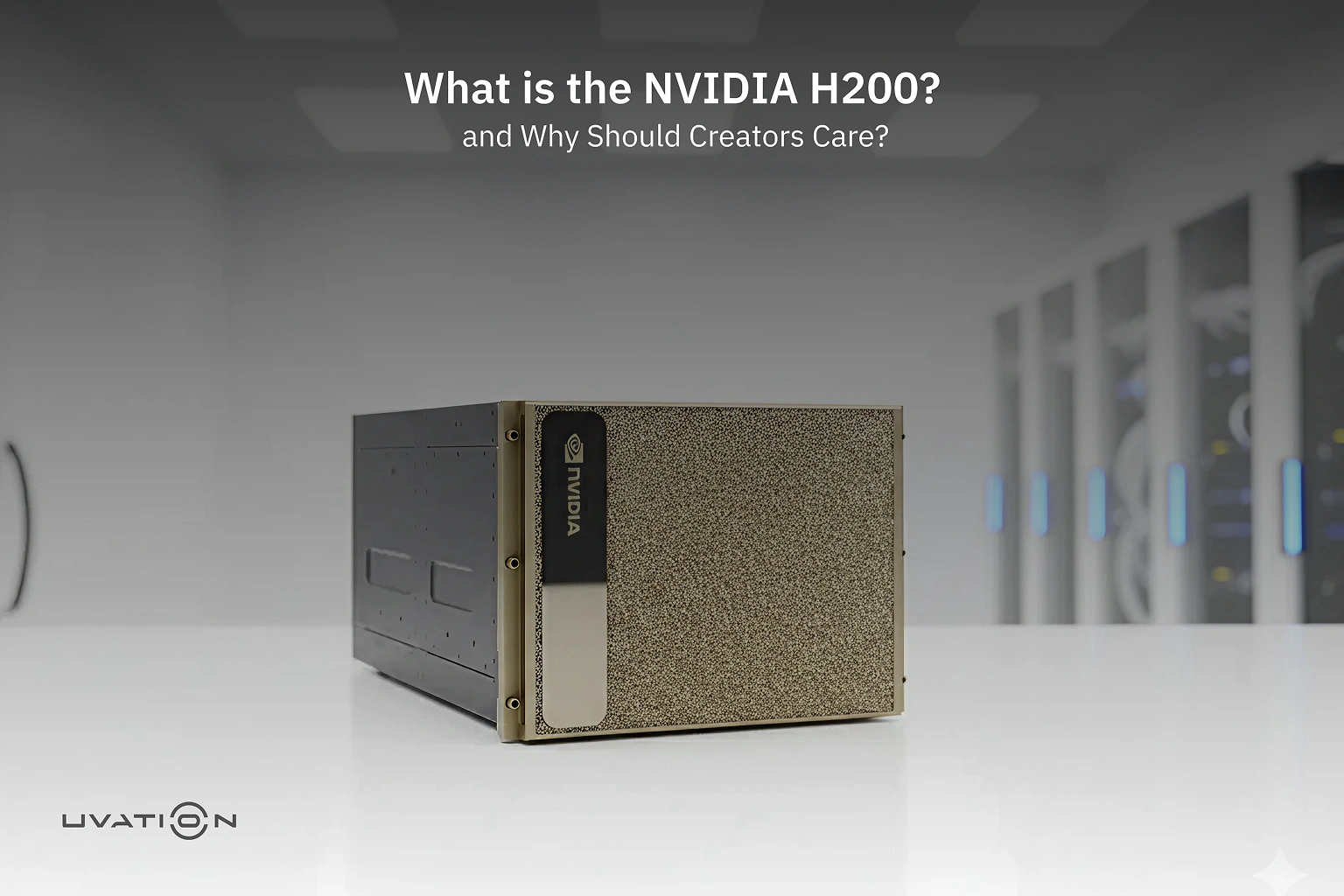
          Where You'll Start Seeing the H200 Without Even Knowing It

          Where You'll Start Seeing the H200 Without Even Knowing It

          You've heard of ChatGPT, Midjourney, and GitHub Copilot, but do you know what powers them behind the scenes? While you're crafting the perfect prompt or marveling at an AI-generated image, there's an invisible revolution happening at the hardware level that makes it all possible.

          11 minute read

          From Crisis to Continuity: The Essential Guide to Business Resilience

          From Crisis to Continuity: The Essential Guide to Business Resilience

          In a world fraught with uncertainties, business resilience has emerged as a critical discipline for safeguarding essential assets, personnel, and processes. By developing robust strategies, businesses can effectively navigate disruptions and cyber risks, ensuring continuity and stability in an ever-evolving landscape.

          4 minute read

          Silicon Symphony: Harmonizing Tech and Business Strategies

          Silicon Symphony: Harmonizing Tech and Business Strategies

          In today's digital age, technology plays a central role in driving business success. However, for technology to truly empower business objectives, it must be aligned with overarching strategic goals.

          3 minute read

          Achieving business resilience with key technologies and services

          Achieving business resilience with key technologies and services

          Explore how to achieve business resilience through cloud technology, cybersecurity tools, and outsourced services.

          8 minute read

          1–10 of 15 items
          of 2 pages
          semifly
          About Us